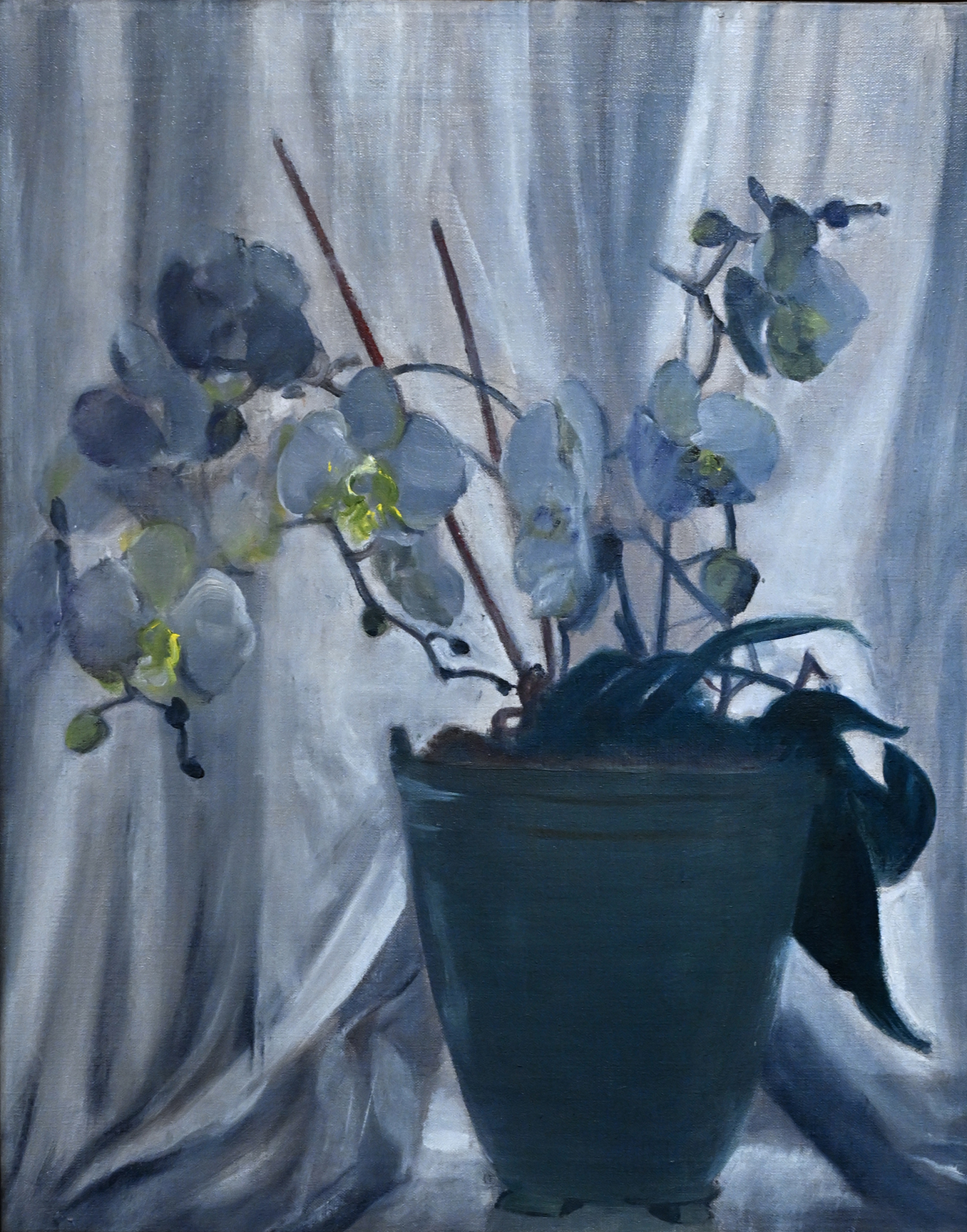



For us, selecting the artwork for the Ambassador’s Residence was deeply personal. My wife Lorie and I wanted these walls to tell a story about the two countries that have shaped our lives: the United States and Uruguay.
I grew up here, and Uruguay has always held a very special place in my heart. What I have always loved about this country is its tranquility, its natural beauty, and, above all, the warmth of its people. For me, Uruguay is a country “que siempre llevo en mi corazón.”
We chose works by American artists that reflect many of those same qualities. We see something familiar in these images—the open spaces, the water, and the quiet beauty of nature. They remind us of the values and simple pleasures Americans and Uruguayans share: a sense of home and community and an appreciation for the wonder of our surroundings.
An Ambassador’s Residence is an official place, but Lorie and I also want it to feel like a home. We hope everyone who walks through these doors—whether Uruguayan, American, or from somewhere else—feels genuinely welcome.
Through this exhibition, we hope our guests will experience a sense of warmth and tranquility and come away with a renewed appreciation for the enduring connection between our two nations.
Ambassador Lou Rinaldi
Montevideo, Uruguay
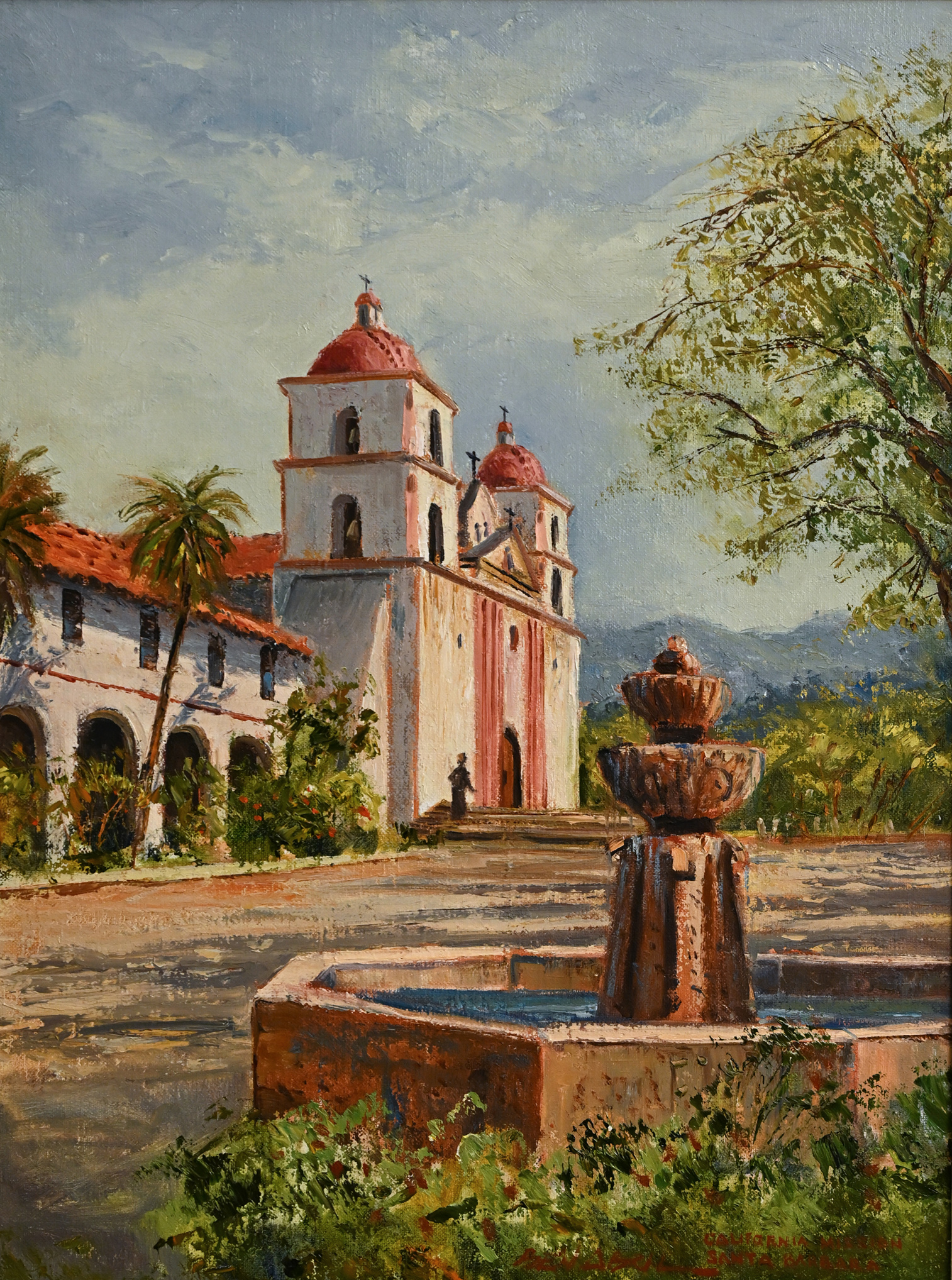
Ben Abril was a Los Angeles-based artist who painted romantic views of California’s landscapes, landmarks, and historic towns. Seeking to capture the state’s beauty directly, Abril worked alla prima, applying wet paint over wet paint with quick brushwork, often in a single outdoor session. This painting depicts Mission Santa Barbara, a late-eighteenth-century outpost established by Franciscan missionaries. Abril painted the mission and surrounding hills in a sunny, picturesque composition, with its fountain in the foreground and a friar standing on the chapel’s steps.
After serving in the U.S. Air Force during World War II, Abril worked night shifts at the post office while studying painting during the day. He was later employed for twenty years as a cartographer and architectural draftsman for the County of Los Angeles. His work is in the collections of the Frye Art Museum, Seattle; the Hilbert Museum of California Art, Orange; and the Los Angeles County Museum of Art.
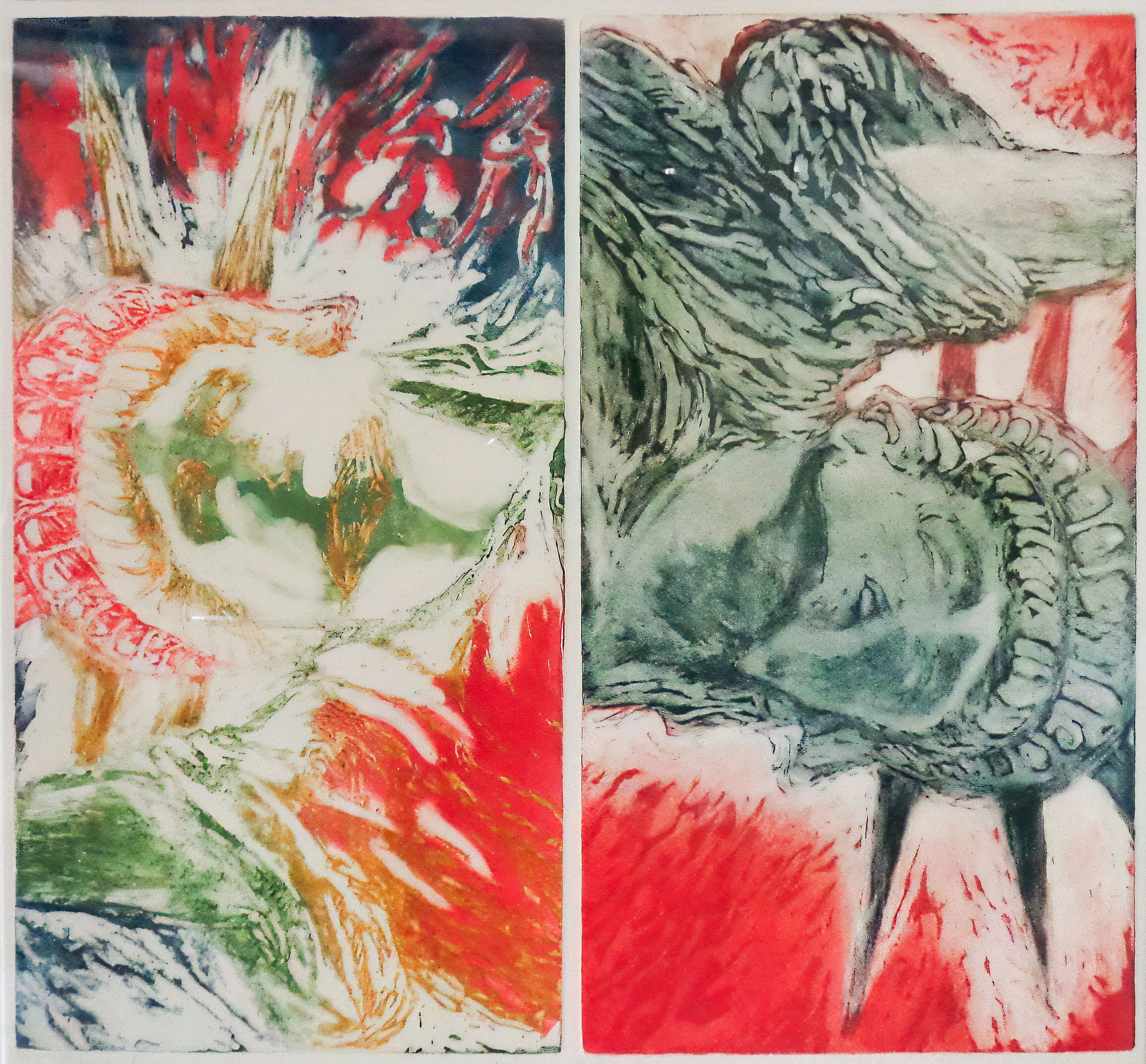
Anneli Arms is a New York-based sculptor, printmaker, and arts educator whose subjects range from insects and human figures to the Statue of Liberty. In Liberty Reflection, she depicts the monument as a mirrored diptych, using frenetic linework. She earned a bachelor’s degree from the University of Michigan and later studied at the Art Students League of New York. Arms’s practice is highly experimental, incorporating materials such as wire, acrylic, and liquid-poured polyurethane into sculptural works that blur the boundaries between disciplines and media.
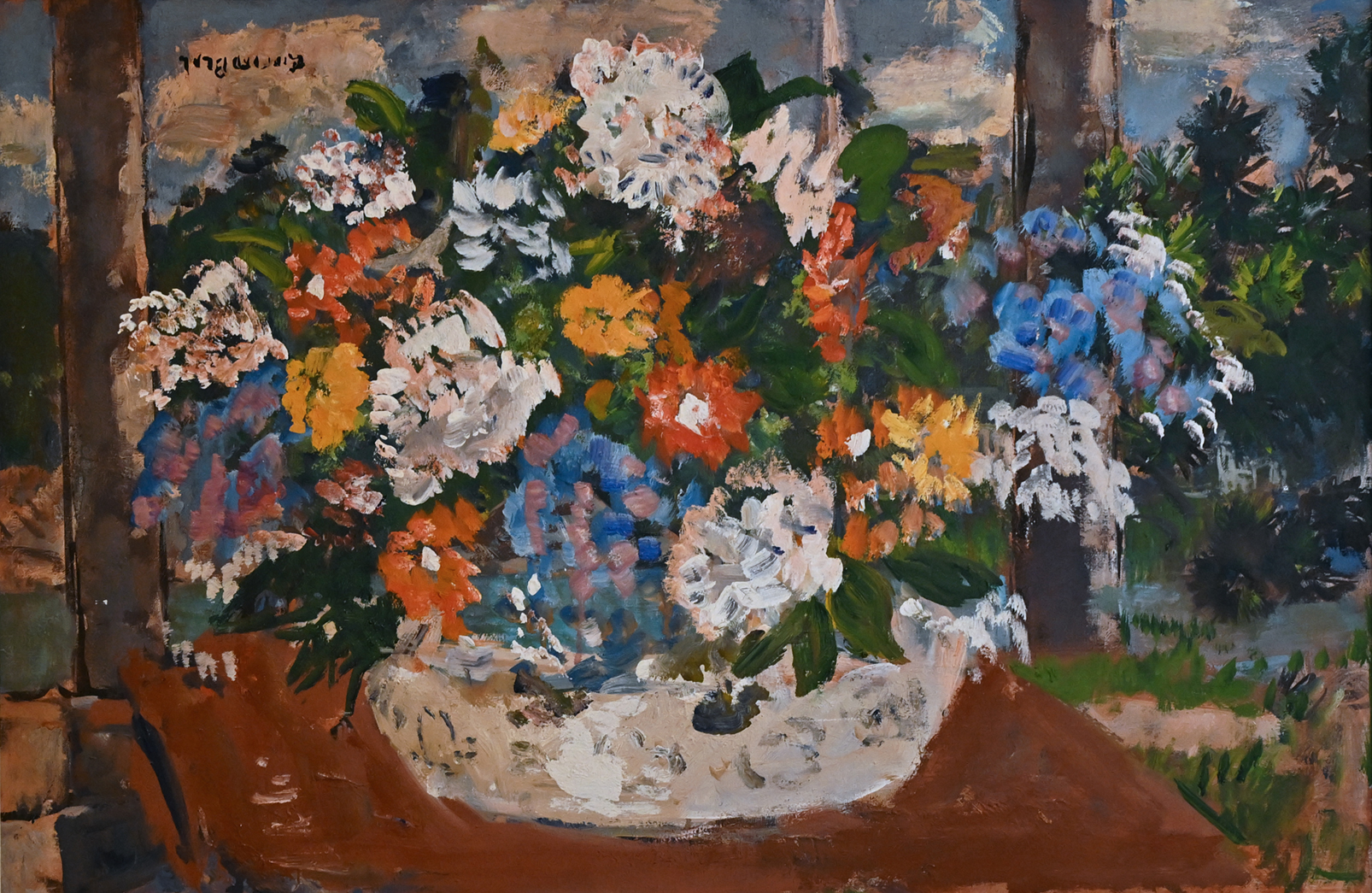
Painter and watercolorist Gifford Beal gained national recognition in the early twentieth century for his gentle, warmly lit depictions of American landscapes and urban views. Born into a prominent New York family, Beal began his artistic training as a teenager with summer courses led American impressionist William Merritt Chase. Under Chase’s tutelage, Beal mastered the impressionist technique of documenting the transient effects of light and atmosphere, an approach that continued to shape his work as style and subject matter evolved from austere seascapes featuring monumental figures to dynamic views of New York’s freight yards. Friend and fellow painter Barry Faulkner said Beal’s work showed “the eternal pleasures of work and leisure, the casual enjoyable incidents which add so much to life’s richness.”
His work attracted early attention, and by age twenty-two he was exhibiting nationally. Beal’s work can be found in some of the nation’s most esteemed collections, including the Metropolitan Museum of Art, New York; the Art Institute of Chicago; and the Nelson-Atkins Museum of Art, Kansas City, Missouri.
Photographers Wendy V. Watriss and Frederick C. Baldwin both traveled and worked abroad for years before meeting in the late 1960s. Watriss grew up in Greece and Spain and later covered conflicts in Europe, Central America, and Africa for Newsweek and the New York Times, while Swiss-born Baldwin traversed the globe on assignment for National Geographic. As a couple, they shifted their professional focus to the American South. Their photographs documented some of the most notable events of the twentieth century while also showing rural life, economic hardship, resilience, and community in small towns throughout the South. This photograph captures a tender moment between a couple at a Texas dance hall, one of many such spaces that served as community hubs for entertainment and civic events throughout the twentieth century.

Katherine Grossfeld’s paintings are shaped by close attention to light and color, whether in everyday objects, interiors, or landscapes. “When I paint, the world slows down a bit, and I experience a sense of peace, joy, and escape from the hubbub of life. This is what I hope viewers experience as well,” she says. Grossfeld earned a Bachelor of Fine Arts degree from the University of Denver, Colorado, and a Master of Fine Arts degree from the School of the Art Institute of Chicago, Illinois. She is a member of the Salmagundi Club, the Oil Painters of America, and American Women Artists. Her work has been featured in Fine Art Connoisseur, Southwest Art Magazine, and the American Art Collector.


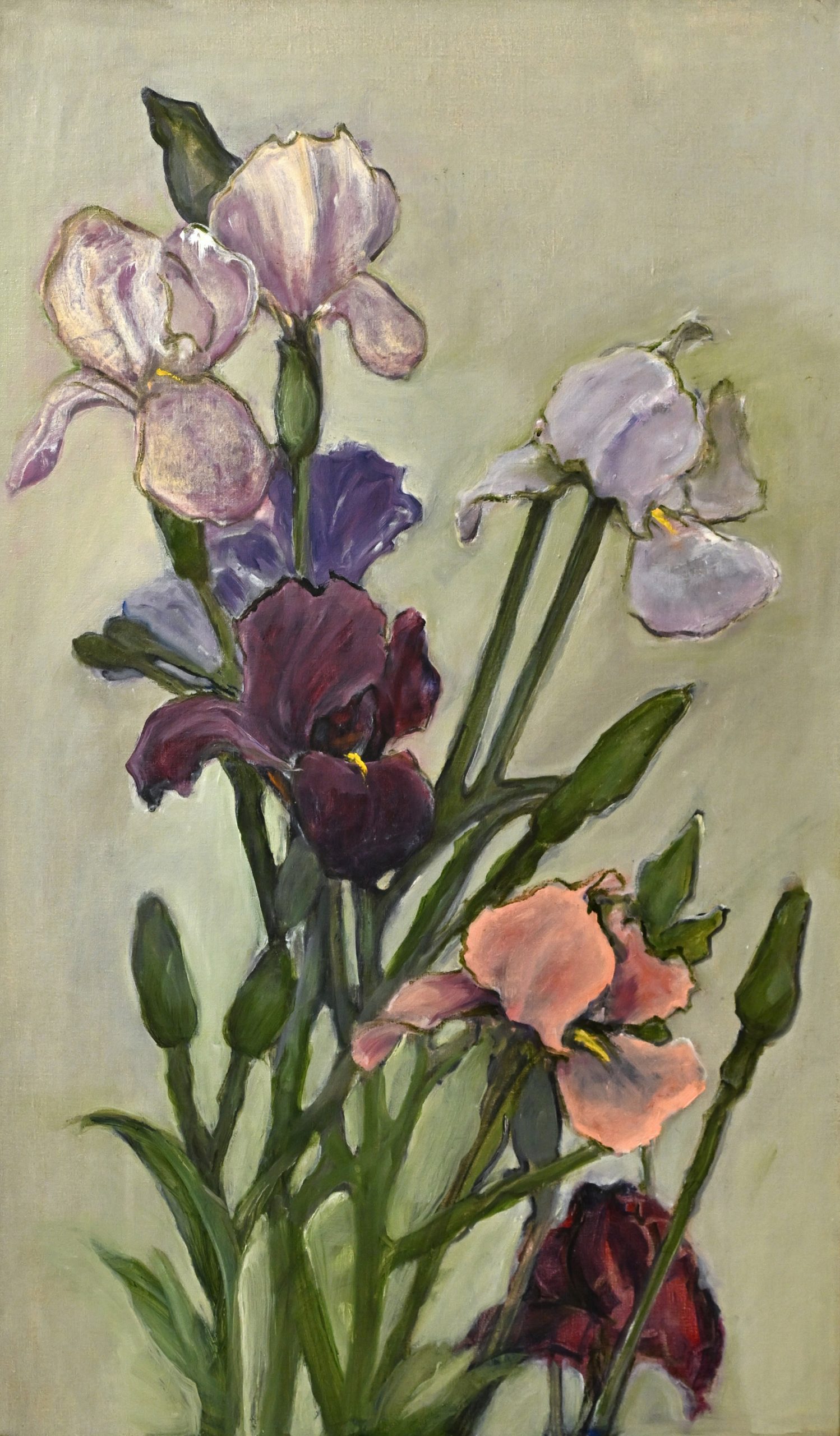
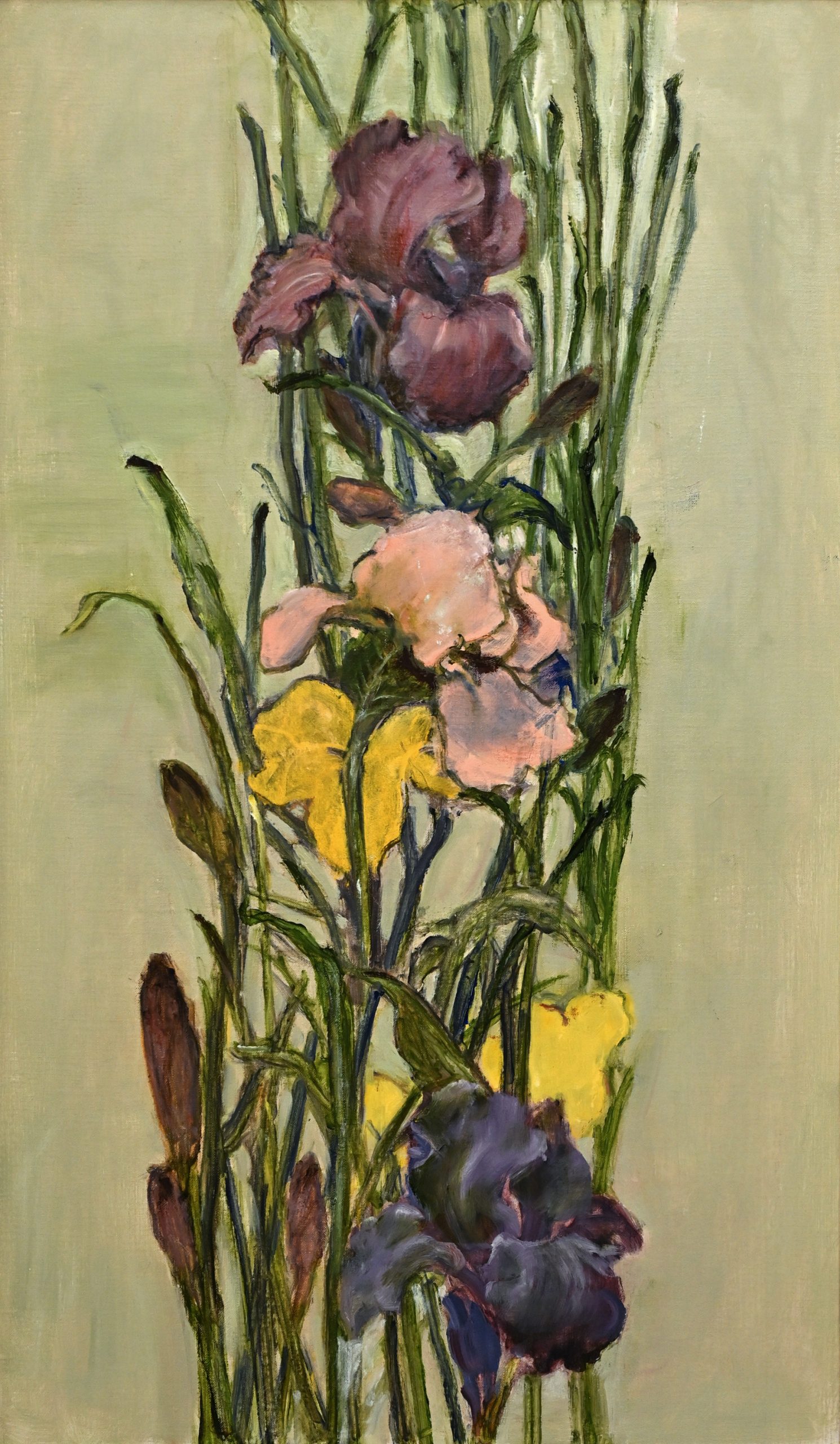
Representational painter Diana Kurz has worked in oil, watercolor, and pastel since the 1970s. Her wide-ranging subject matter includes monumental figures, landscapes, still lifes, portraits, and animal imagery, as well as a significant body of work addressing the Holocaust. Born in Vienna, Kurz immigrated to the United States shortly before World War II and now lives in New York. She earned a Bachelor of Arts degree from Brandeis University, Waltham, Massachusetts, and a Master of Fine Arts degree from Columbia University, New York. Kurz received numerous grants and awards, including a Fulbright Fellowship to France and a residency from the American Center in Paris. Her work can be found in permanent collections of the United States Holocaust Memorial Museum, Washington, D.C.; the Rose Art Museum, Waltham, Massachusetts; Brooklyn Botanic Garden, New York; and the Wien Museum, Vienna.


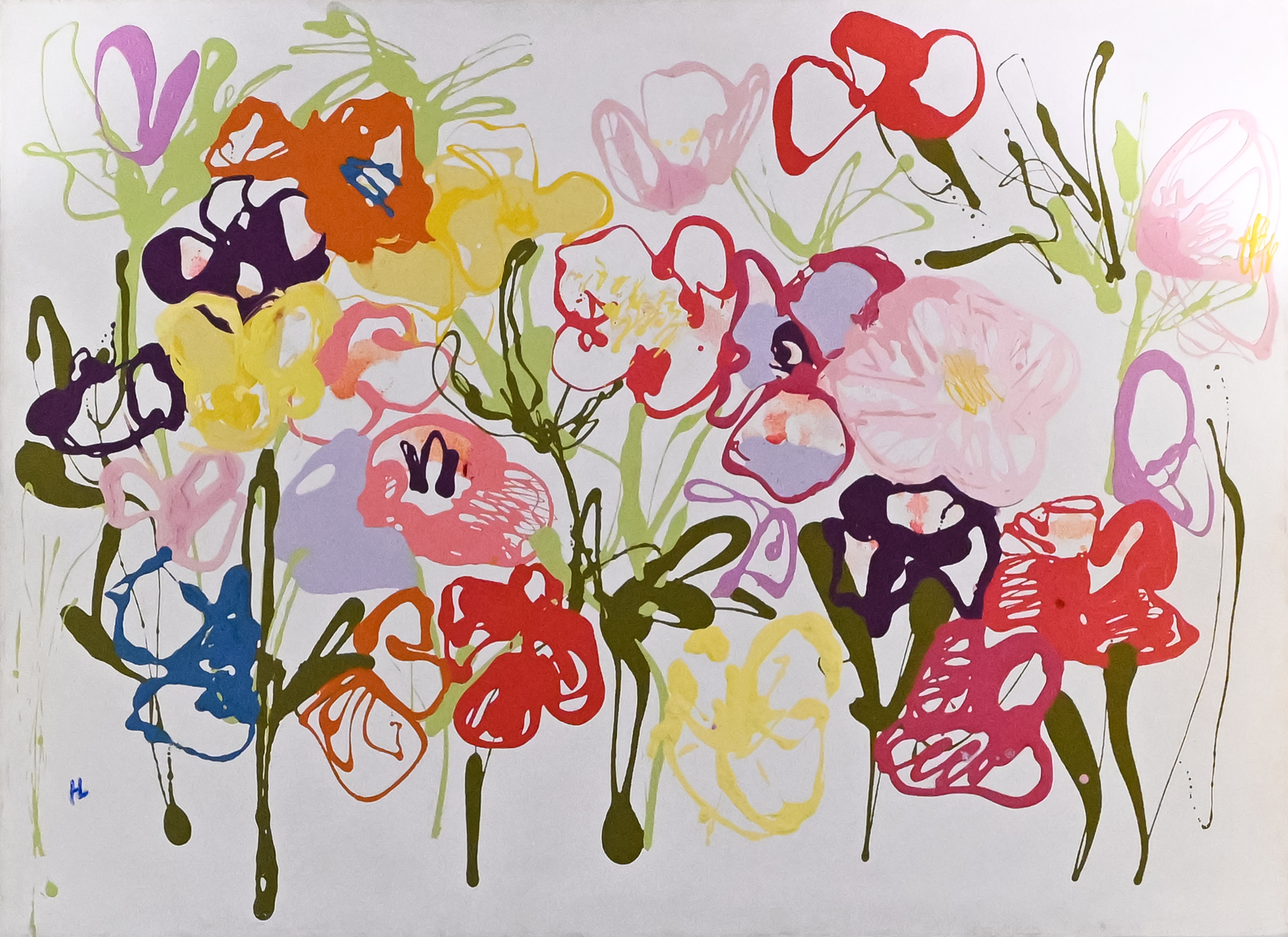
Helen Grigware Lambert’s early paintings were figurative and rendered in a dark palette, but by 1970, her style had become increasingly abstract, with lively colors and passages of white. Thin, delicate lines of dripped paint spread and interlace across the canvas, defining the flowers that had become her primary subject and are referenced in her titles.
In addition to her artistic practice, Lambert was a lawyer and the first woman to graduate from Gonzaga University School of Law in Spokane, Washington, in 1937. Lambert traveled extensively during her law career, including to Japan, the former Soviet Union, and Israel; these experiences left an indelible impression on her artistic vision.
Beverly Lohman Morsey was a Los Angeles-based painter whose vibrantly colored paintings were inspired by the work of Pablo Picasso and Henri Matisse. Born in Dallas, Texas, she later moved to California, where she painted prodigiously until her nineties. Morsey primarily painted still lifes of floral arrangements, often incorporating chinoiserie and decorative objects, while also experimenting with portraiture, cubism, and abstraction.

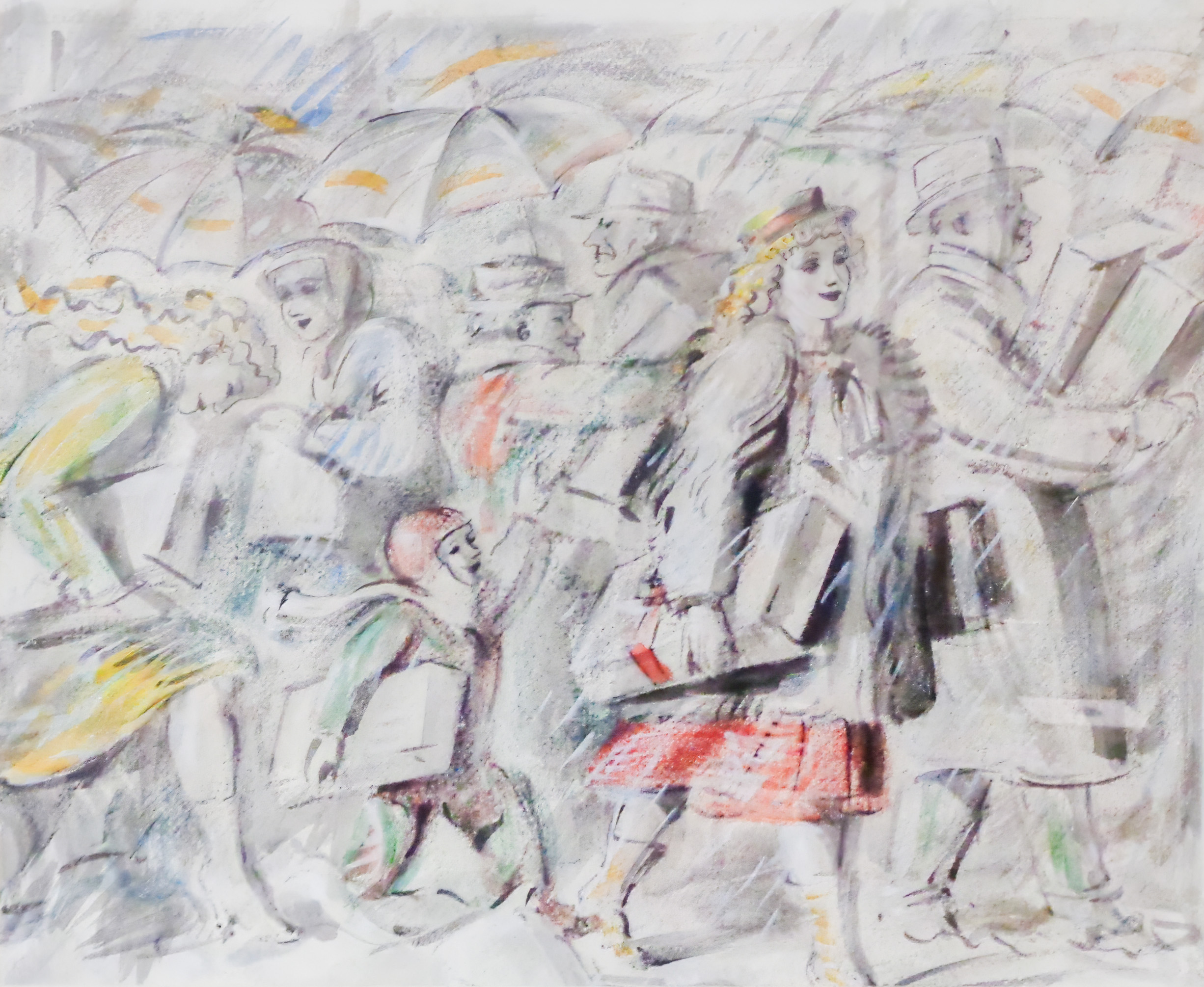
Painter, illustrator, and printmaker Reginald Marsh was renowned for his depictions of burlesque shows, throngs of crowds at Coney Island, and bustling ship harbors. Working in egg tempera, oils, ink, and watercolor, he observed everyday life in a manner associated with social realism. Although primarily known for his paintings of New York City, Marsh also documented his travels throughout the United States and abroad, sketching on location and using photographs as reference.
Born in Paris to artist parents, Marsh and his family immigrated to New Jersey when he was two years old. He graduated from Yale School of Fine Arts, New Haven, Connecticut, and provided illustrations to many publications, including the New Yorker, Harper’s Bazaar, Esquire, and Life. His work is in the collections of such museums as the National Gallery of Art, Washington, D.C.; the Metropolitan Museum, the Whitney Museum of American Art,
Watercolorist Barbara Ernst Prey draws on color traditions throughout art history, as well as the abstract compositions of modernists such as Paul Klee and Wassily Kandinsky. “Color, light, composition, and design are the armature for the painting and hold the subject and narrative. My paintings may not seem abstract, but if you look at them, you will see underneath is a design which is very abstract and ties everything together,” she says.
Prey earned a Bachelor of Arts degree from Williams College and a Master of Divinity degree from Harvard University, both in Massachusetts. She received a grant from the Henry Luce Foundation to paint in Asia for a year, a Fulbright Scholarship, and the New York State Senate’s Women of Distinction Award. Her work is held in the permanent collections of the Kennedy Space Center, Florida; the Brooklyn Museum, New York; and the White House, Washington, D.C., among others.

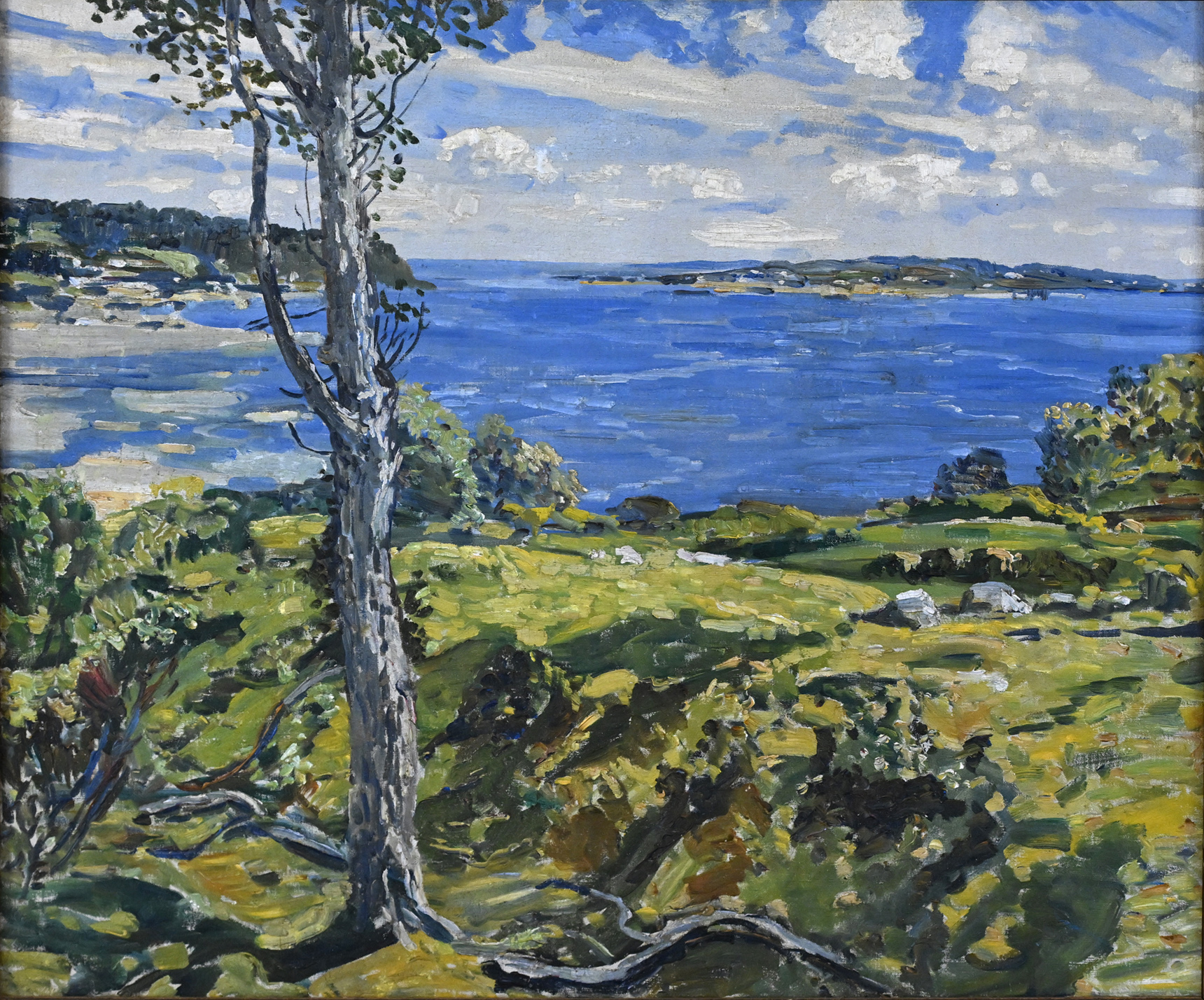
Walter Elmer Schofield was an American landscape painter associated with Pennsylvania impressionism and known for bold color and broad, thick brushstrokes. Born into a wealthy Philadelphia family, he attended the Pennsylvania Academy of the Fine Arts and later studied at the Académie Julian in Paris. While in France, Schofield was inspired by the impressionists’ practice of painting en plein air, or outdoors. He continued to paint outdoors throughout his career, even in the harshest weather conditions.
Schofield received wide acclaim during his lifetime. His work is included in many public collections, including the Smithsonian American Art Museum, Washington, D.C.; the Art Institute of Chicago; the Metropolitan Museum of Art, New York; and the Philadelphia Museum of Art.
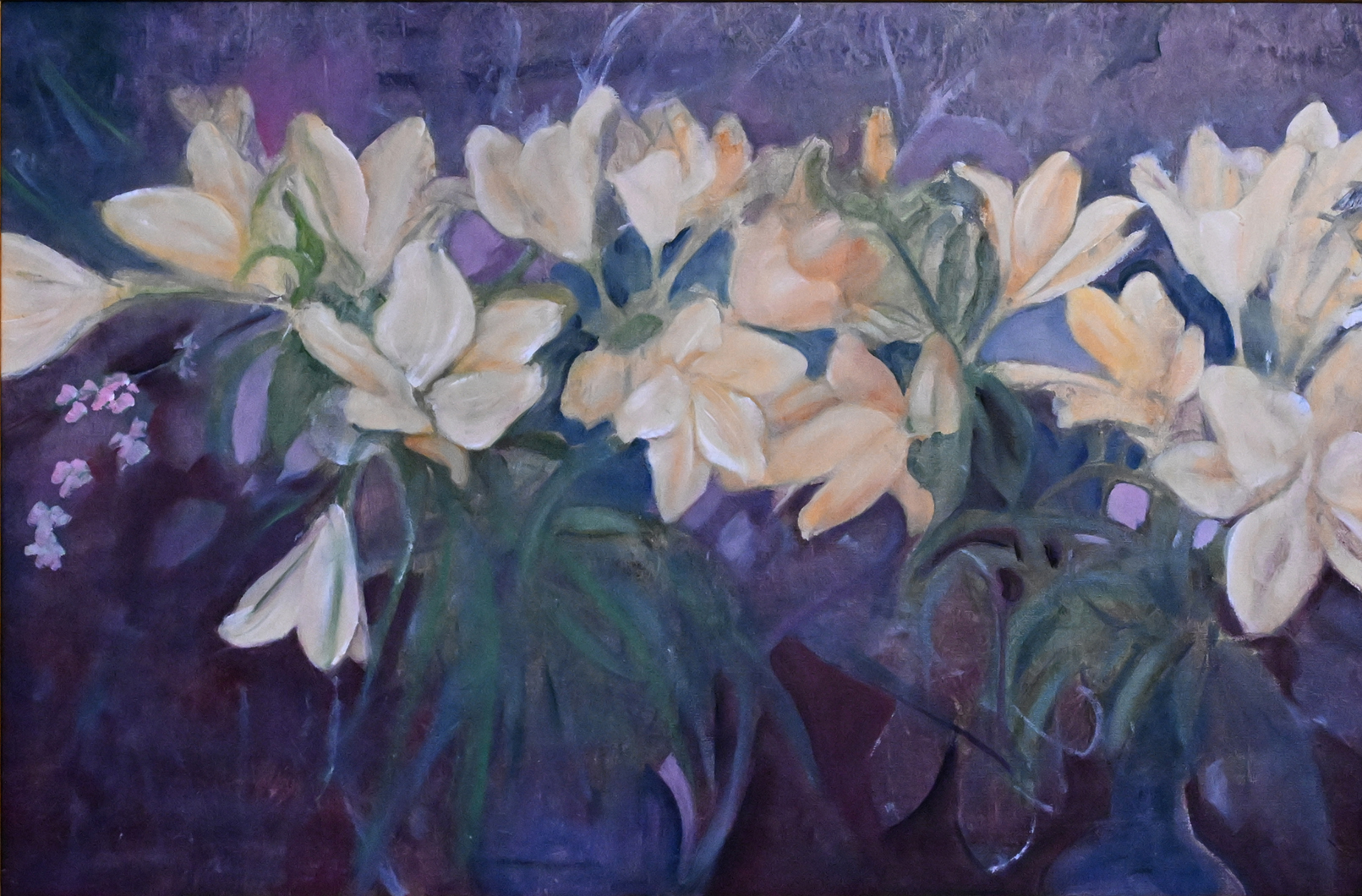
Francis Sills is an artist and educator whose practice is grounded in perception and direct observation of nature. Rather than simply reproducing his subjects, Sills allows his paintings to develop as extensions of his surroundings. “I want the paintings to grow in the same way the plants grow in the garden, with the same kind of logic and unpredictability,” he explains. Lilies, reflected is part of a series that juxtaposes flowers and plants from Sills’s garden with objects from his studio and home in South Carolina.
Raised in New Jersey, Sills earned a Bachelor of Fine Arts degree from Syracuse University, New York, and a Master of Fine Arts degree from Parsons School of Design in New York City. He has exhibited widely in the United States and internationally. He is a visiting professor of art at the College of Charleston, South Carolina.

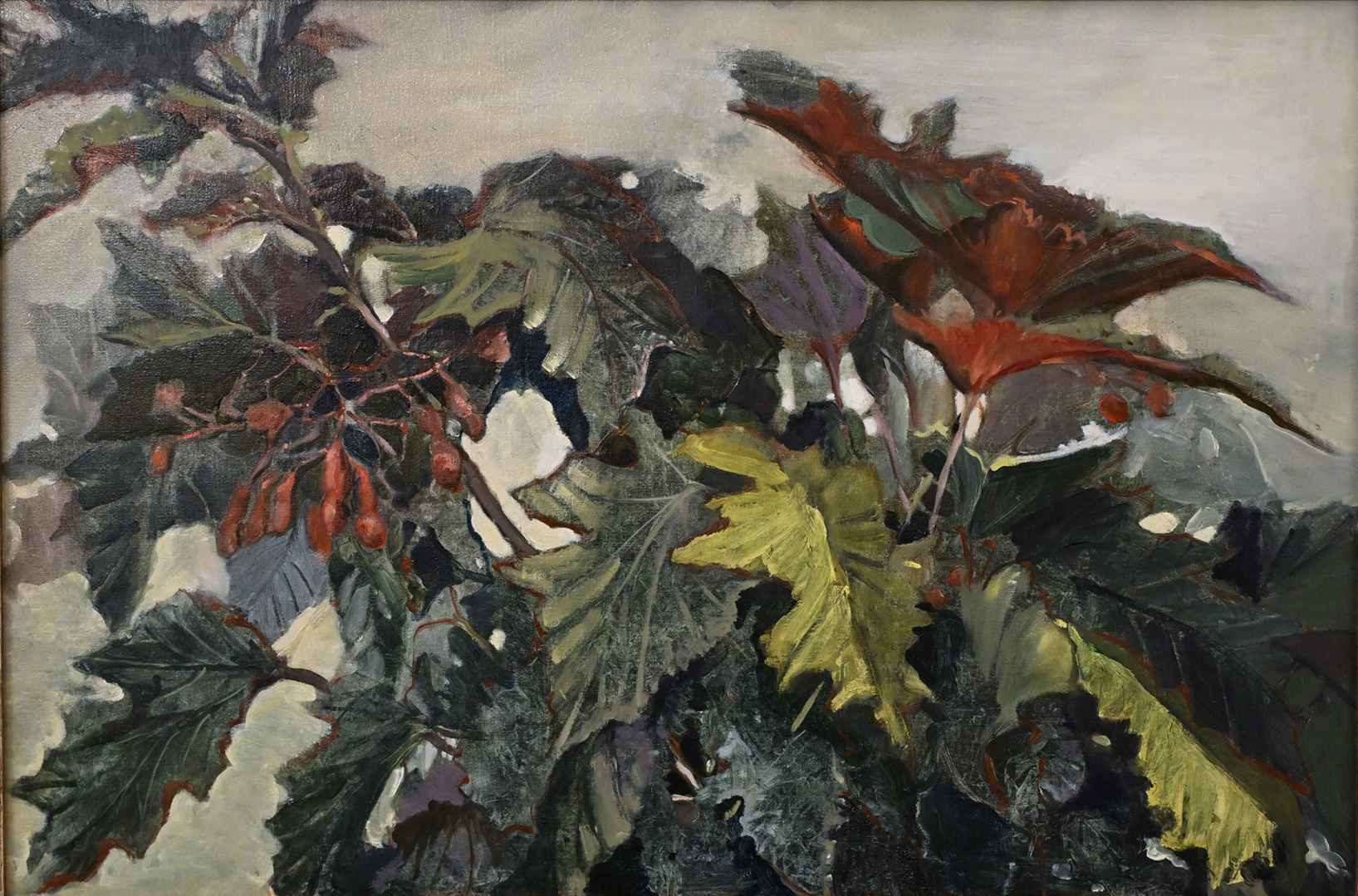
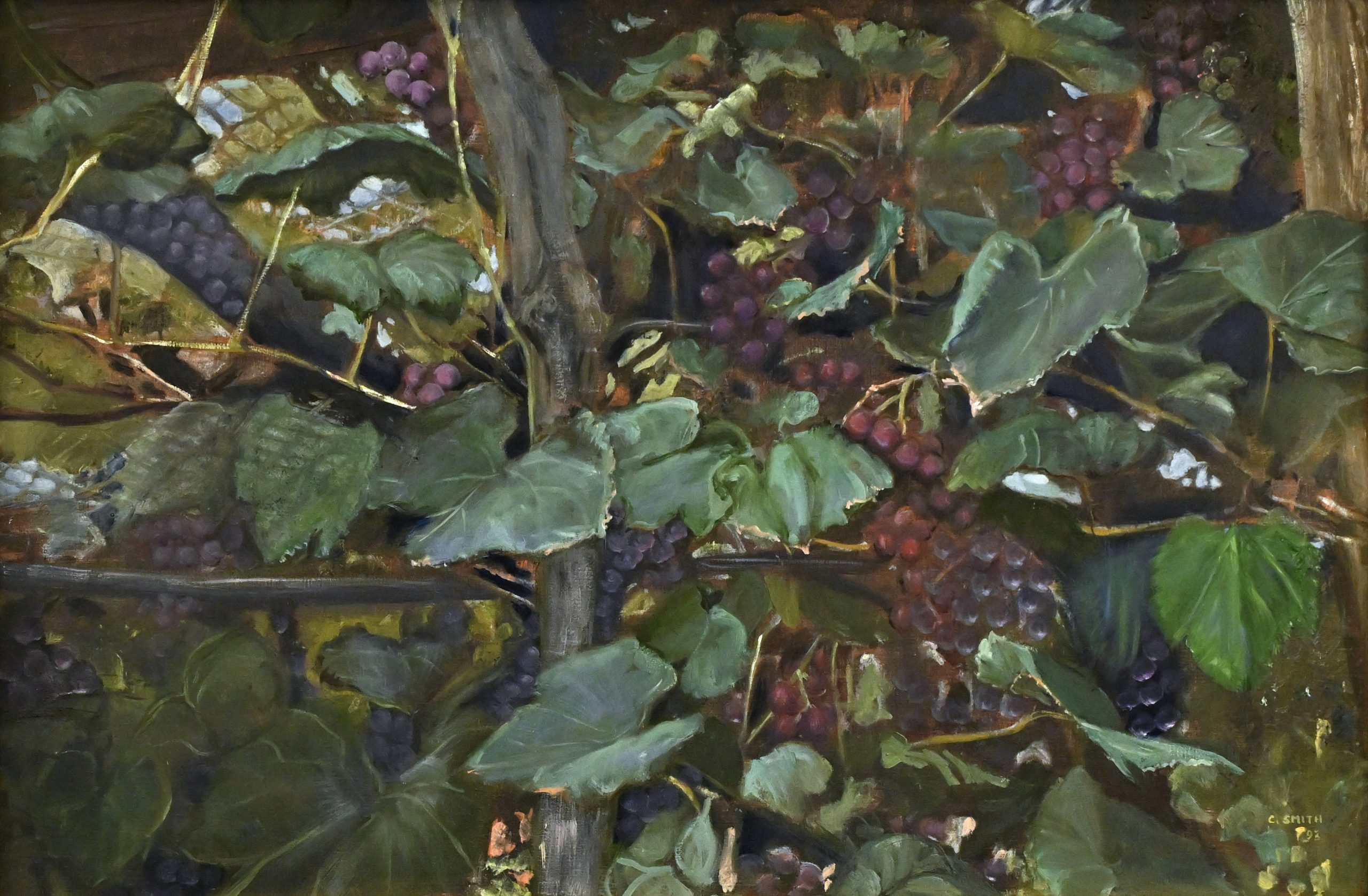
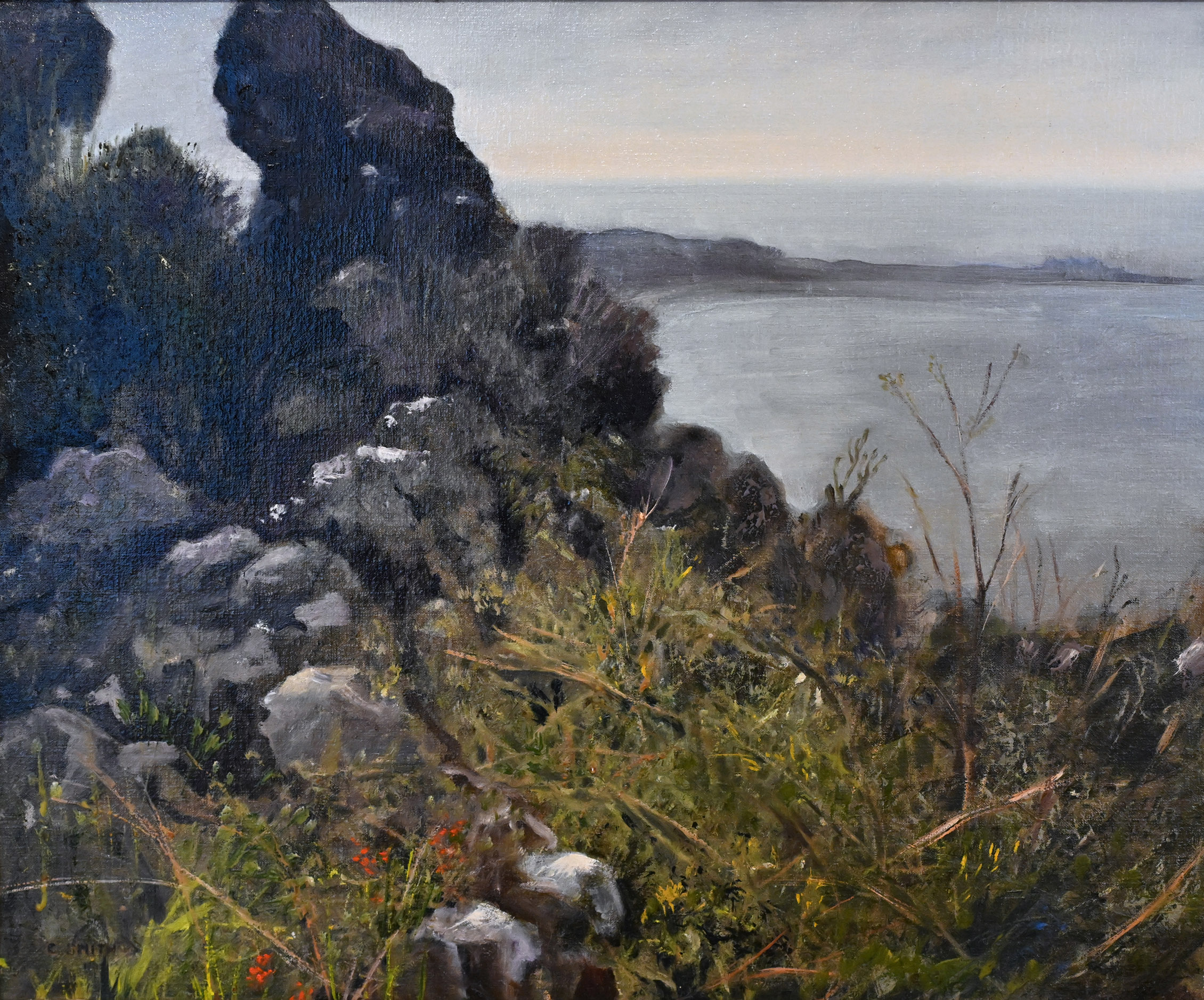
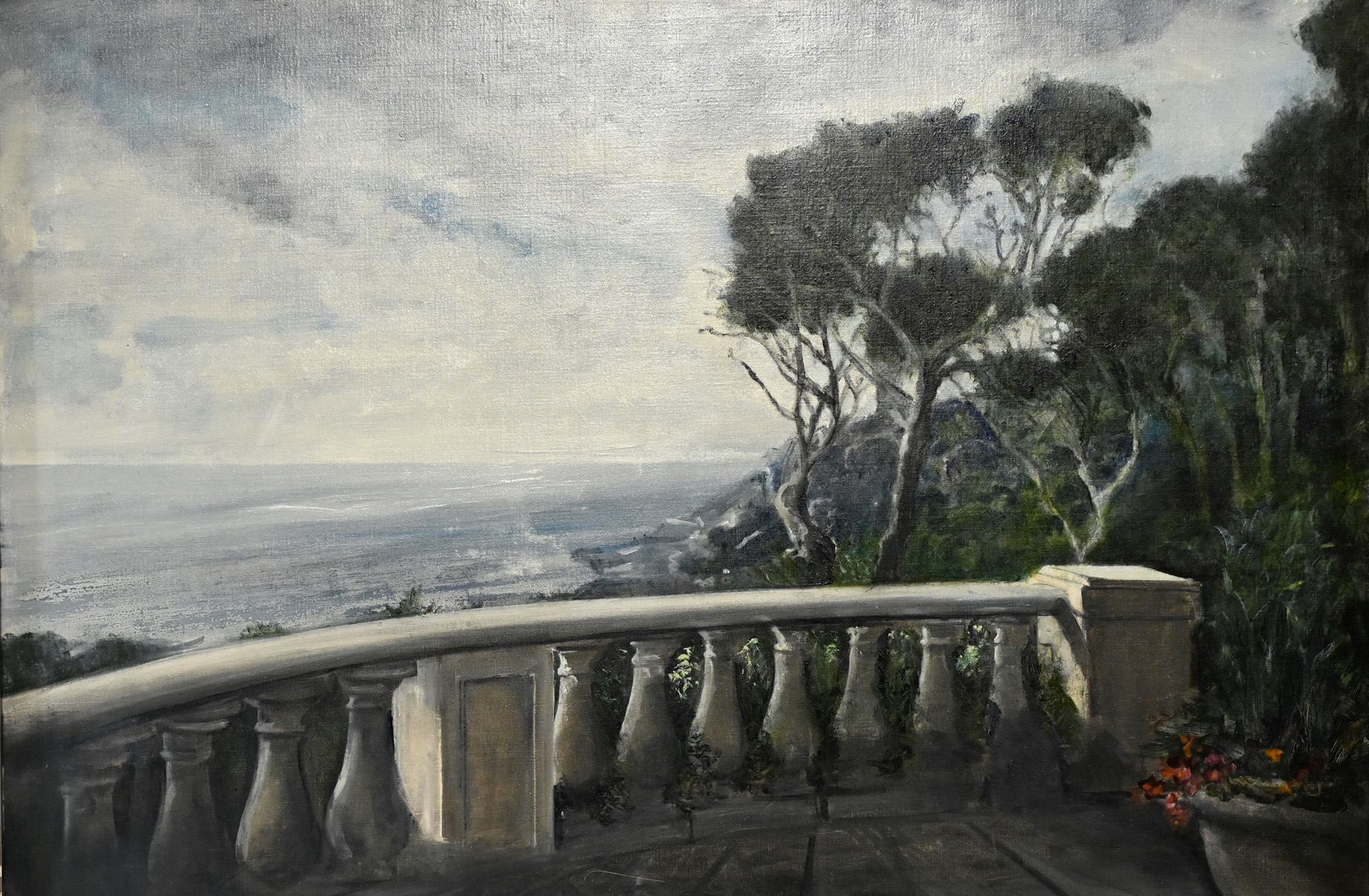
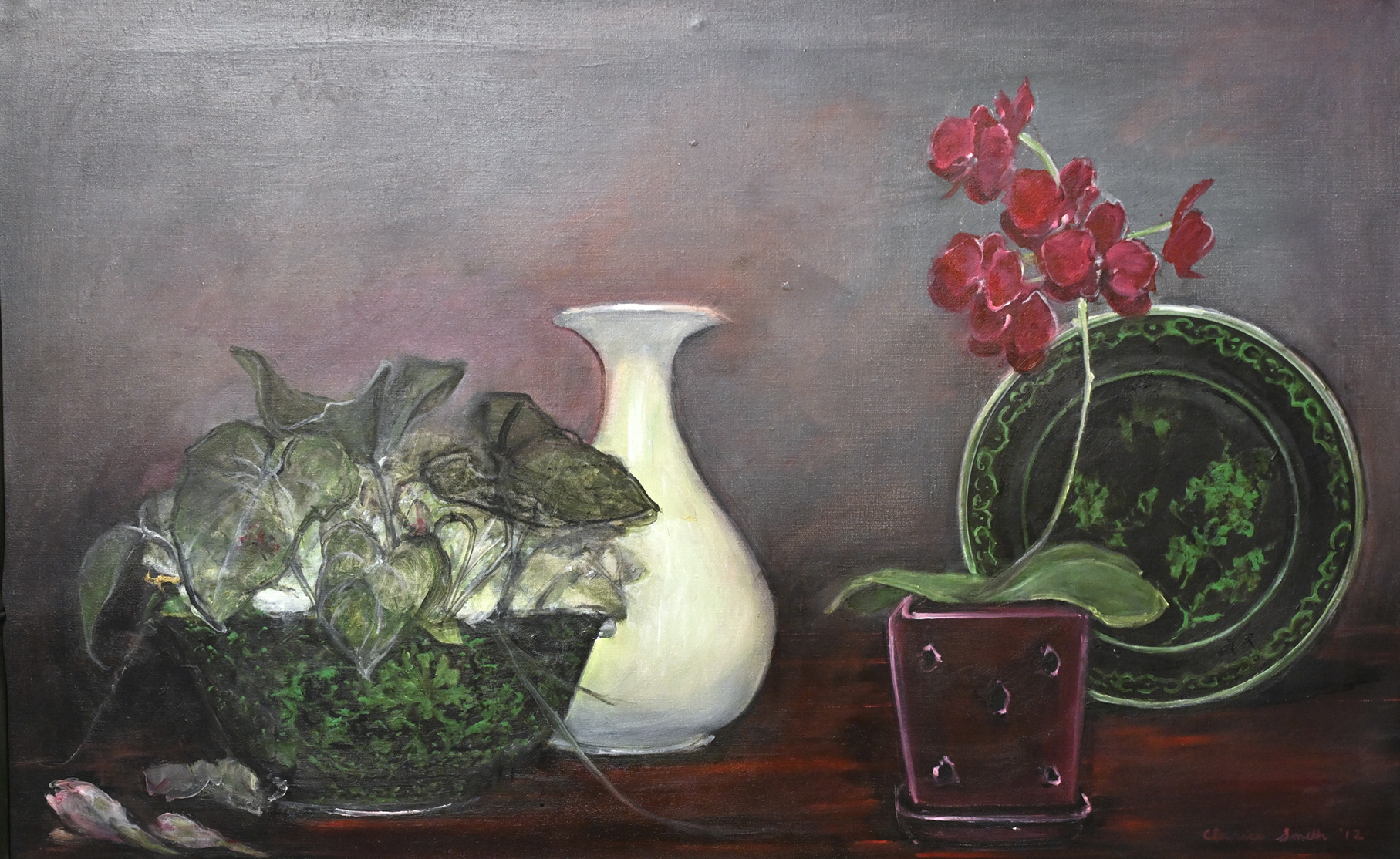
Clarice Smith was a painter whose work was rooted in life drawing, close observation, and the expressive use of oil paint. Her body of work included florals, landscapes, still lifes, equestrian subjects, and golf scenes. From an early age, Smith felt compelled to draw what she saw. Over time, this impulse developed into a desire to convey the mood or feeling she sensed in a particular scene. Although inspired by artists such as James McNeill Whistler, Édouard Manet, and John Singer Sargent, she described her own approach in terms of pattern and mood: “I compose paintings from the patterns I see in people, places, and things; striving to paint the moods they inspire.”