


Long before I had the honor of serving as the United States Ambassador to the Swiss Confederation and the Principality of Liechtenstein, I developed a lifelong appreciation for the arts and their ability to preserve history, reflect shared values, and bring people together.
That appreciation has shaped both my professional and personal life.
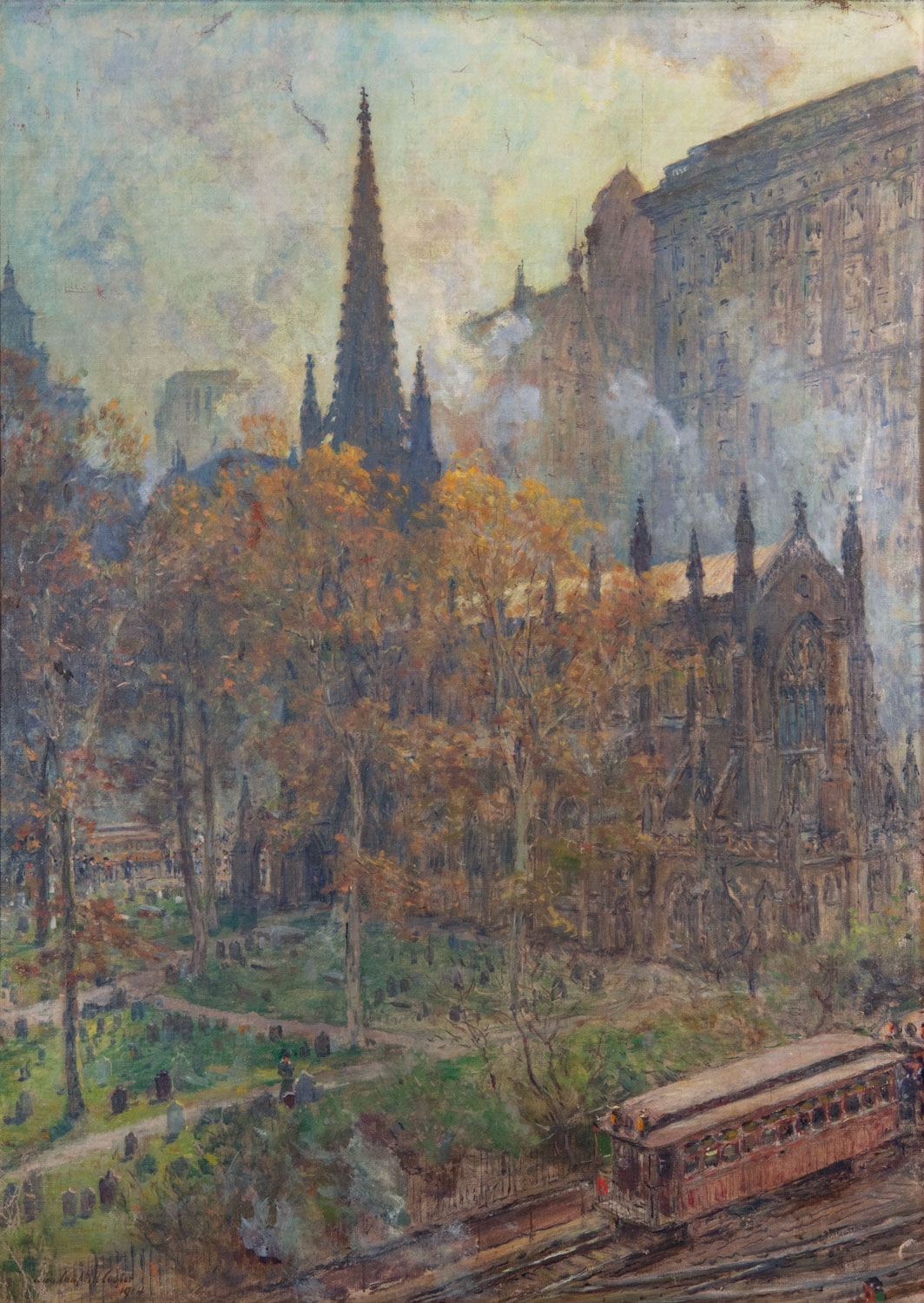
American impressionist painter Colin Campbell Cooper was born in Philadelphia and studied at the Pennsylvania Academy of Fine Arts under famed artist Thomas Eakins. In 1886, he left the United States to travel, study, and hone his skills in Europe. After nearly a decade abroad, he returned to Philadelphia, where he taught watercolor painting at the Drexel Institute of Art, Science and Industry and married fellow painter Emma Lampert. The couple later settled in New York, where Cooper focused on architectural subjects and urban street scenes. He became renowned for paintings that place historic landmarks within the rapidly developing skyline, including views of Trinity Church set against the emerging skyscrapers of lower Manhattan.
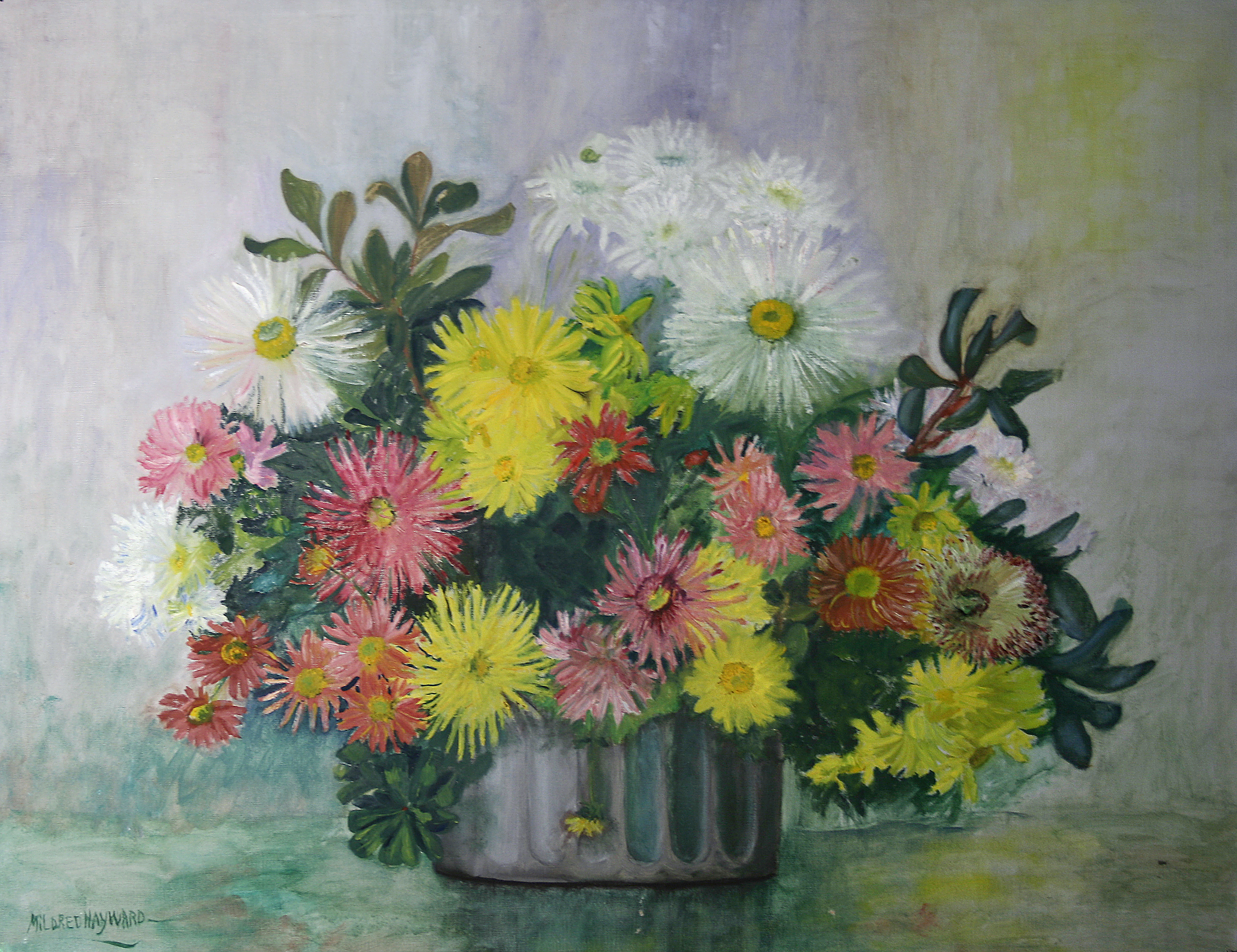
Painter Mildred Hayward was renowned for her still lifes of flowers, often arranging blossoms close to the picture plane to emphasize form, color, and surface detail. Her work often demonstrated her knowledge of the botanical properties and individuality of each flora species. Critics commented on the strength of her compositions even in monochrome reproduction: “Hayward’s feeling for form and composition is so strong that even in black and white her pictures can move hearts.” She described her work in spiritual terms, writing that she believed her ability to paint was guided by a higher power. In Clustered Chrysanthemums, tightly grouped blooms occupy nearly the entire canvas, drawing attention to variations in petal structure, tone, and reflected light.
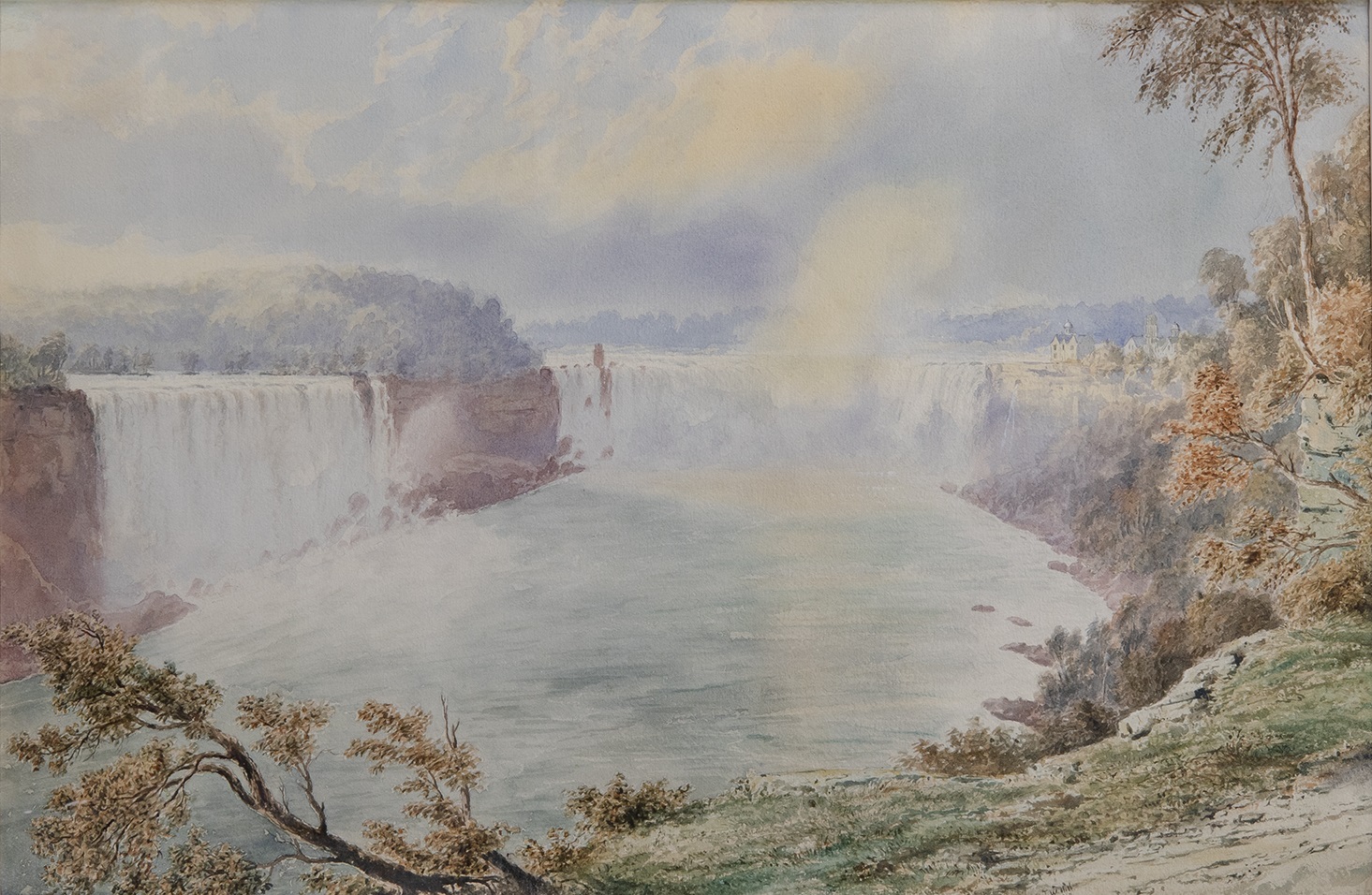
John William Hill was the son of the British aquatint engraver John Hill and the father of landscape painter and engraver John Henry Hill. He immigrated with his family to the United States in 1819 and shortly thereafter was apprenticed to his father when his family moved from Philadelphia to New York City.
Early in his career, Hill worked as a topographical artist in New York, producing watercolor views of American cities. Around 1855, after reading John Ruskin’s Modern Painters, he aligned himself with the American Pre-Raphaelite circle. His work from this period emphasizes unbroken horizon lines and meticulous attention to topographical detail, often minimizing atmospheric effects. Hill worked directly from nature, rendering scenes in a stipple technique with tiny brushes normally employed for miniatures.
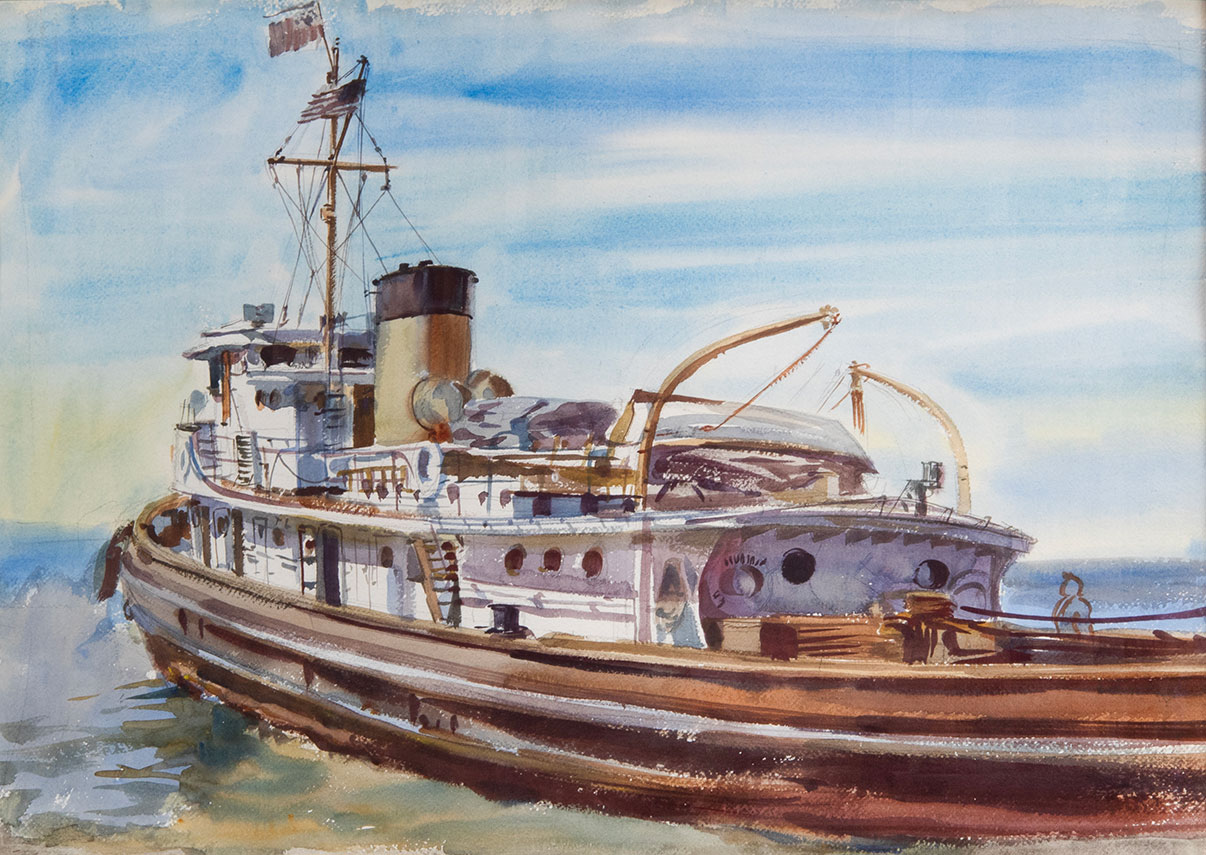
Kathleen Kalinowski is a contemporary landscape painter working in an impressionist style. She frequently paints en plein air—directly from nature— observing changing light and color directly from the environment. These outdoor studies enrich her studio work by preserving the memory and poetry of a particular place and time.
Kalinowski’s work has earned numerous awards and has been featured in many regional and national exhibitions. In recent years, she has expanded her artistic practice to include the landscapes and cultures of Ireland, Germany, Italy, and France.

Born in Paris to American parents, painter, illustrator, and printmaker Reginald Marsh was known for his works that captured the urban realism of New York City. Marsh gained notoriety for depicting everyday New Yorkers, including pedestrians, subway riders, burlesque performers, Coney Island bathers, and Bowery workers.
Marsh attended Yale University in New Haven, Connecticut, where he served as art editor and cartoonist for the Yale Record. After graduation, he began his career as an illustrator, contributing cartoons and drawings to publications such as the New York Daily News, the New Yorker, and Harper’s Bazaar.
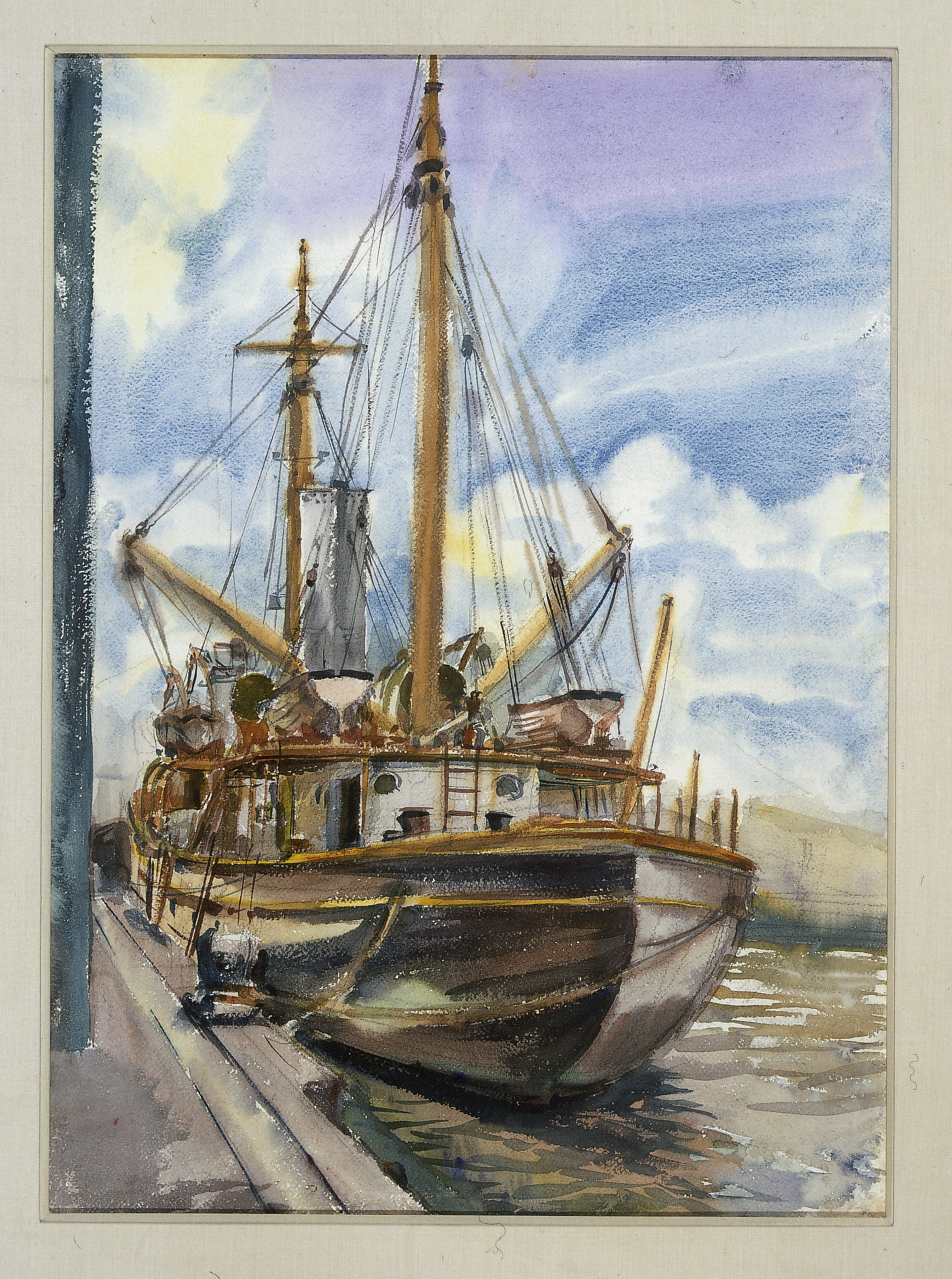
Very little is known about Laura Potter Monroe, an Indiana painter in the late nineteenth and early twentieth century. An American impressionist, she painted primarily landscapes in oil and gouache. largely on boards on canvases and focused on the local forests and waterways of the region.
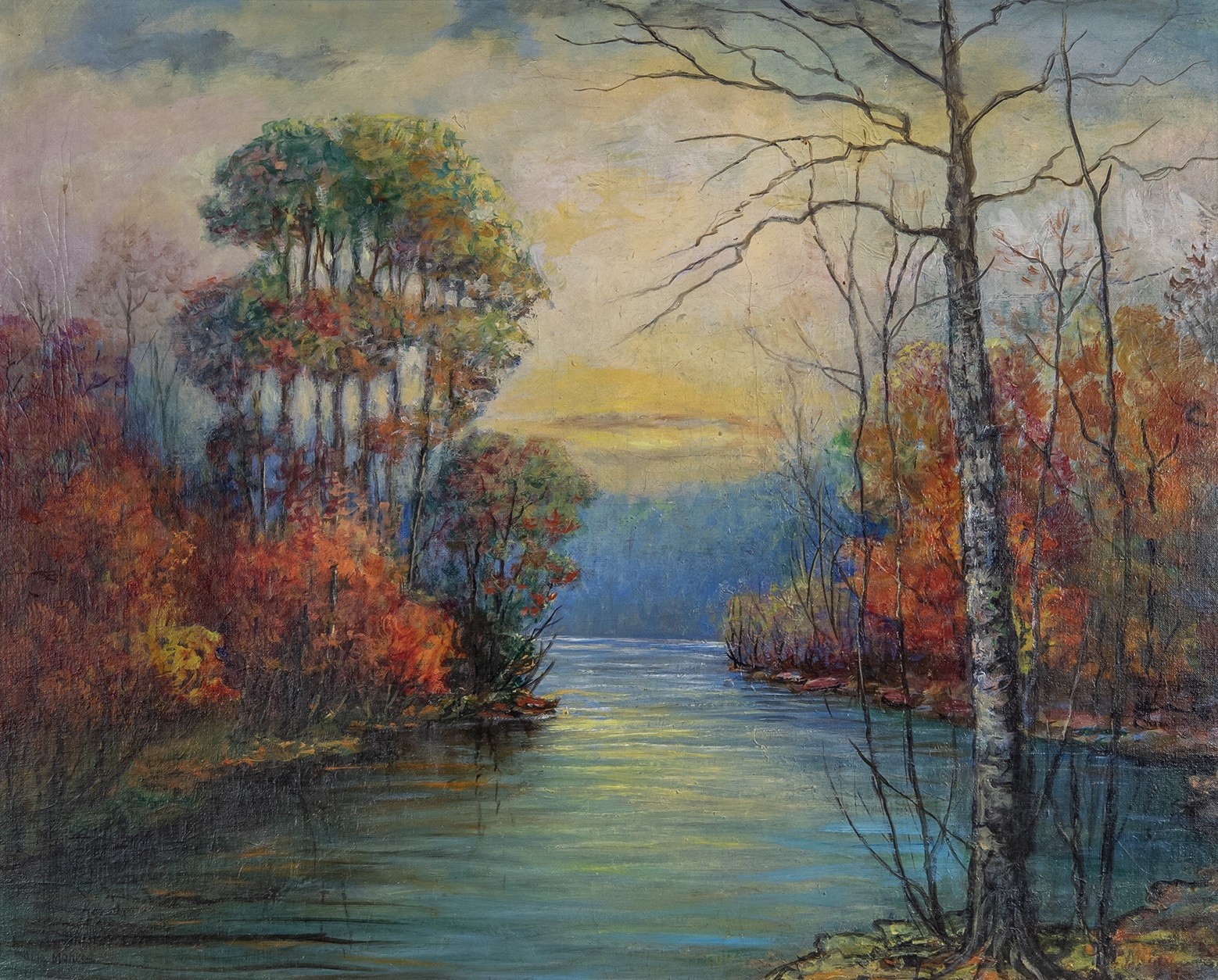
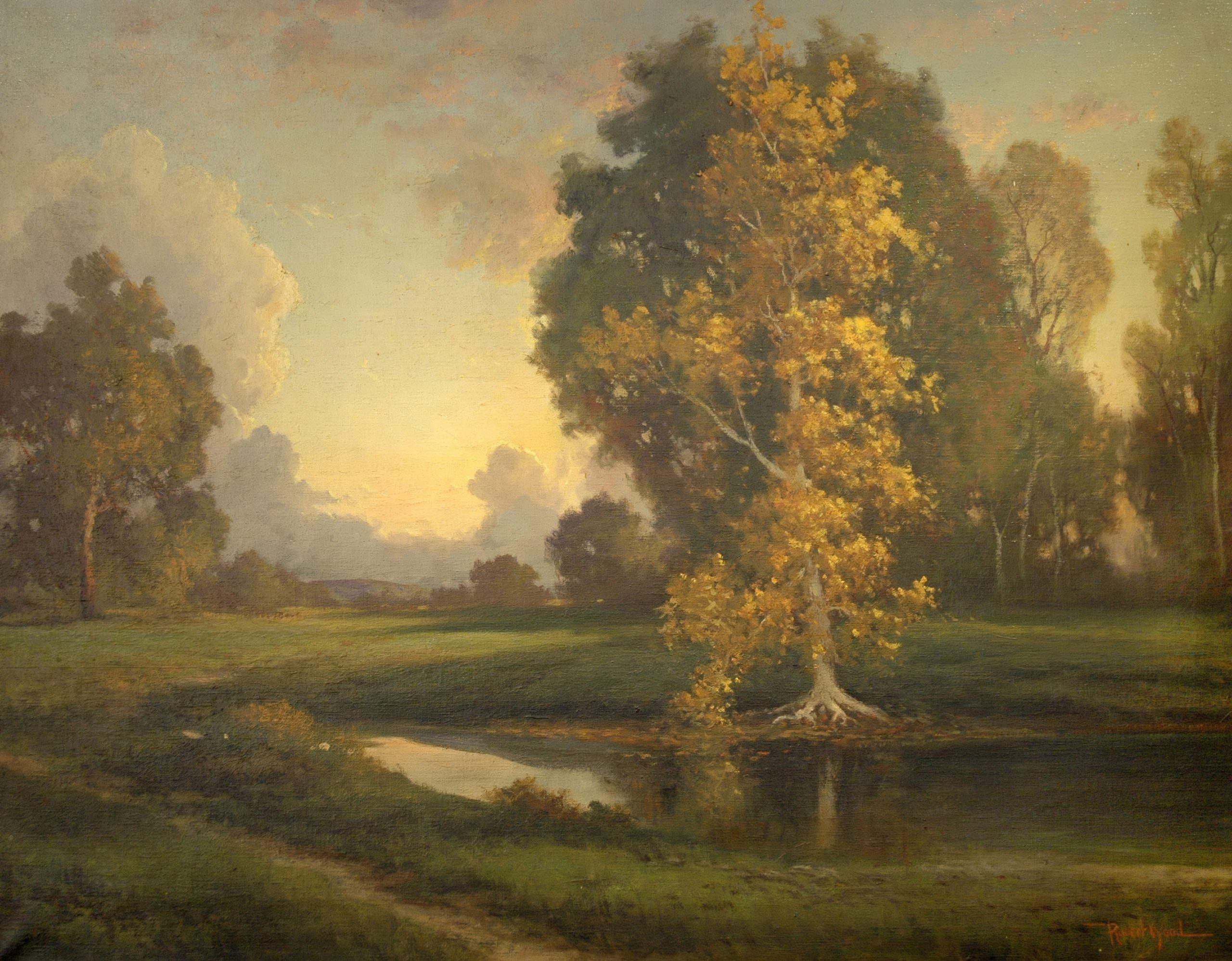
Prolific British American artist Robert W. Wood immigrated to the United States in 1910, where he quickly became captivated by the beauty of the American landscape. He traveled extensively throughout the United States, Canada, and Mexico, often by freight train. Wood garnered early national attention after exhibiting his work in the “Texas Wildflower Competition” in San Antonio. He would continue to exhibit and work in diverse regional settings across the country. While living in California, he joined the painters of the California Plein-Air School in their artist colony to paint coastal and marine life subjects. He also spent several years in Woodstock, New York, where he captured the Catskill mountains and the colors of the changing fall foliage.
Wood’s work is recognized as a documentation of the wilderness and seashores in the American West before settlers and industrialization overtook these areas. He is considered one of the most widely reproduced painters in the history of art, with millions of lithographs and prints sold around the world.