


Welcome to Jefferson House, the official Residence of the United States Ambassador to the Hellenic Republic!
It is an incredible honor to represent President Donald J. Trump and the American people in Greece—a nation whose history, beauty, and spirit have inspired my country since the time of the Founding Fathers.
It is impossible to overstate the historical and cultural connections between our two nations. As President Trump has said, “Our national character has been shaped…by the indelible impact of Greek influence in the arts and architecture, language and literature, and academia and military tradition.” That shared spirit is represented by the art on display at Jefferson House, which speaks to the strength, vitality, and complexity of our common heritage.
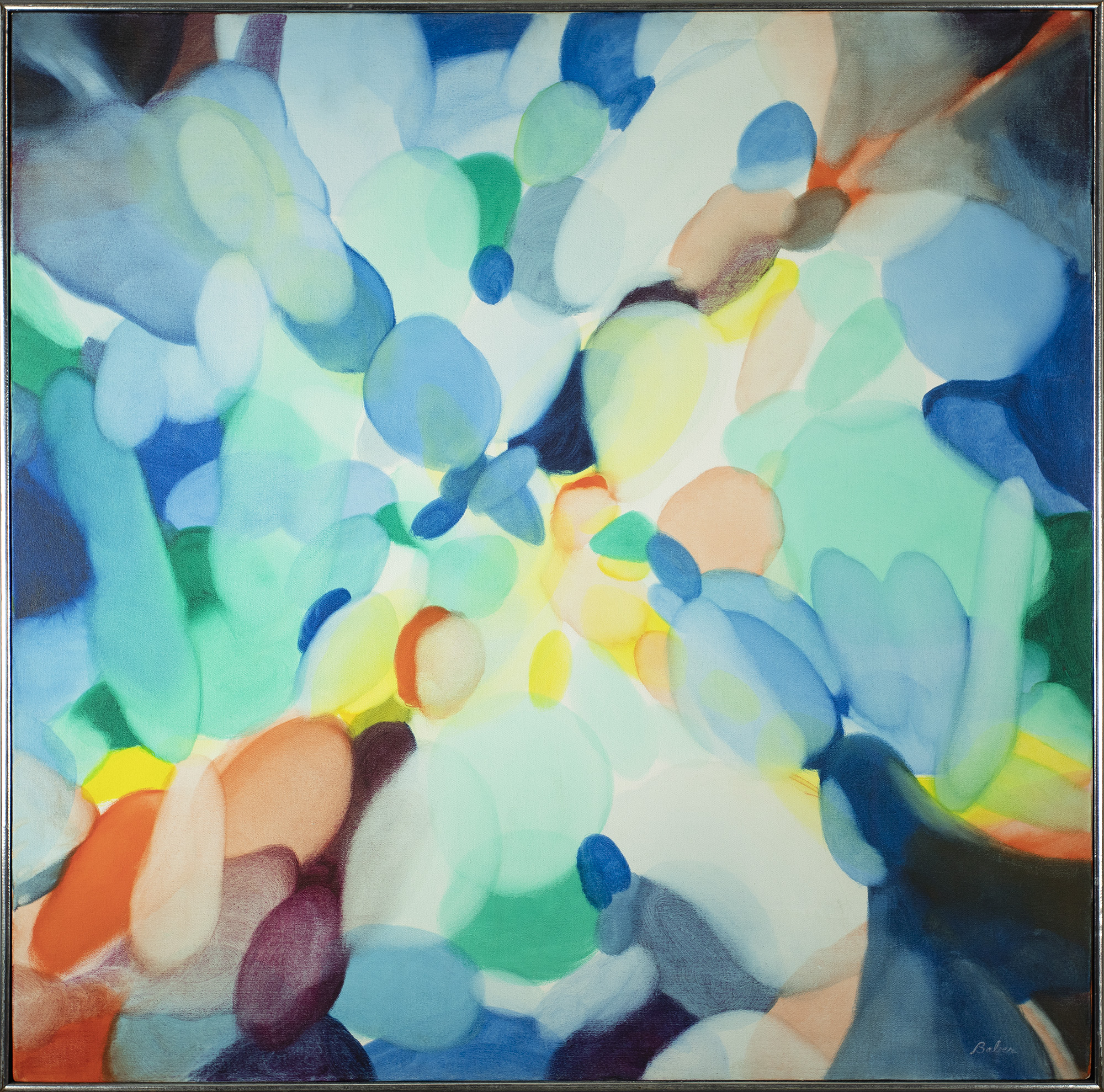
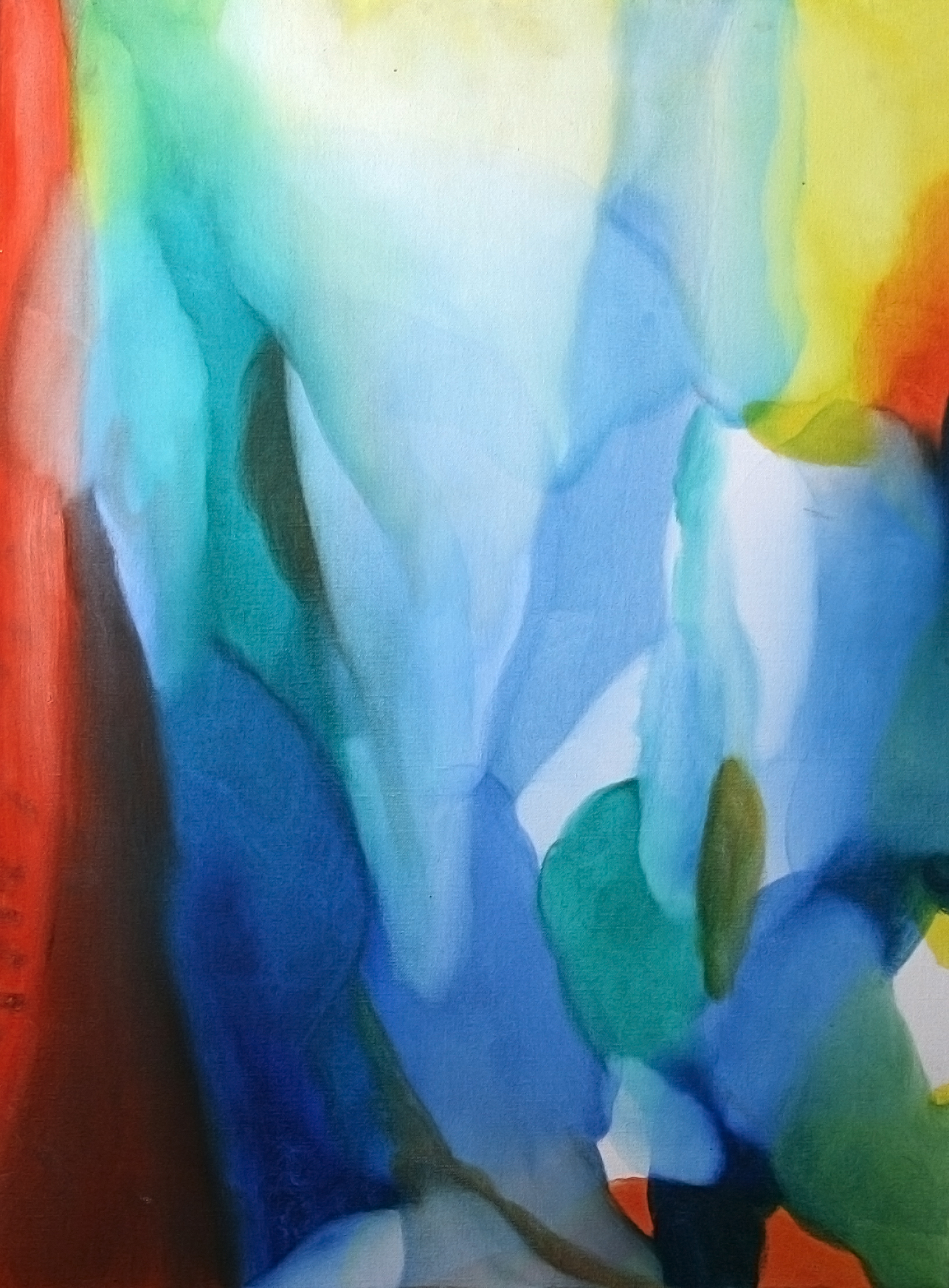
Composed of undulating, organic forms, Alice Baber’s abstract paintings and watercolors vibrate with color. To achieve this luminous effect, she applied transparent layers of diluted oil paint to primed canvases, a time-consuming process that often required further thinning with a turpentine-soaked rag. While Baber used a variety of abstract forms in her work, she preferred elongated circles, which she believed conveyed the greatest sense of motion across the composition.
Baber began painting at the age of eight, later studying art at Indiana University in Bloomington. Her legacy is preserved through the Baber Midwest Modern Art Collection of the Greater Lafayette Museum of Art in Indiana and the Alice Baber Memorial Art Library in East Hampton, Long Island, New York. Her work is held in major museum collections throughout the world.
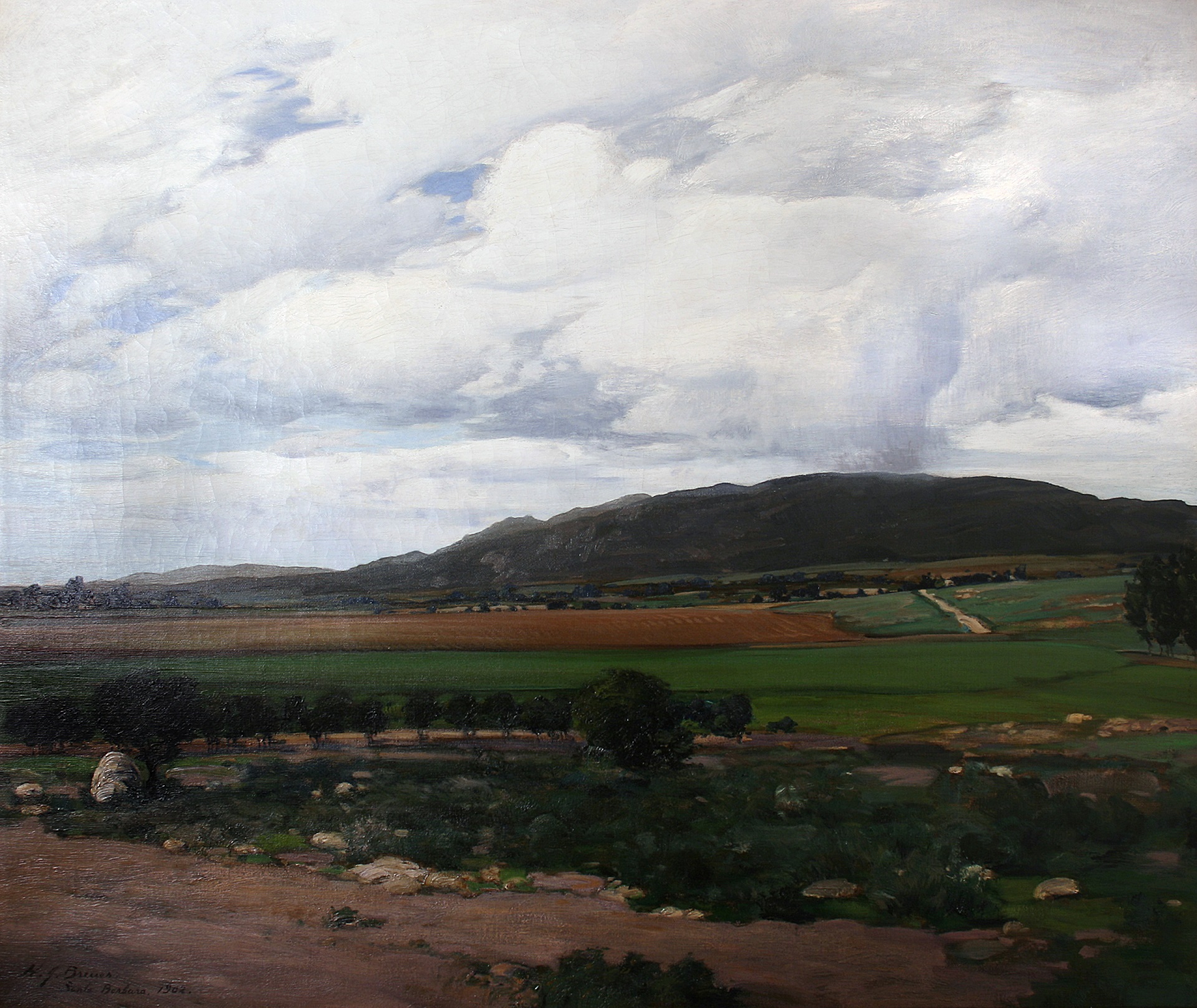
Henry Breuer was a well-known as a “painter of poetic landscapes.” Many of his paintings like Santa Barbara were the result of Breuer’s travels around the western United States. While living out of a horse-drawn wagon, he painted scenes from California, Oregon, and Arizona; his views of the San Gabriel Valley in California were exhibited at the 1904 St. Louis Exposition.
Born in Philadelphia, Breuer studied art in Buffalo, New York, and later served as art editor for the San Francisco Chronicle and the California Magazine. Breuer then traveled to Paris to continue his artistic studies, where he was influenced by the work of Barbizon and Impressionist painters.
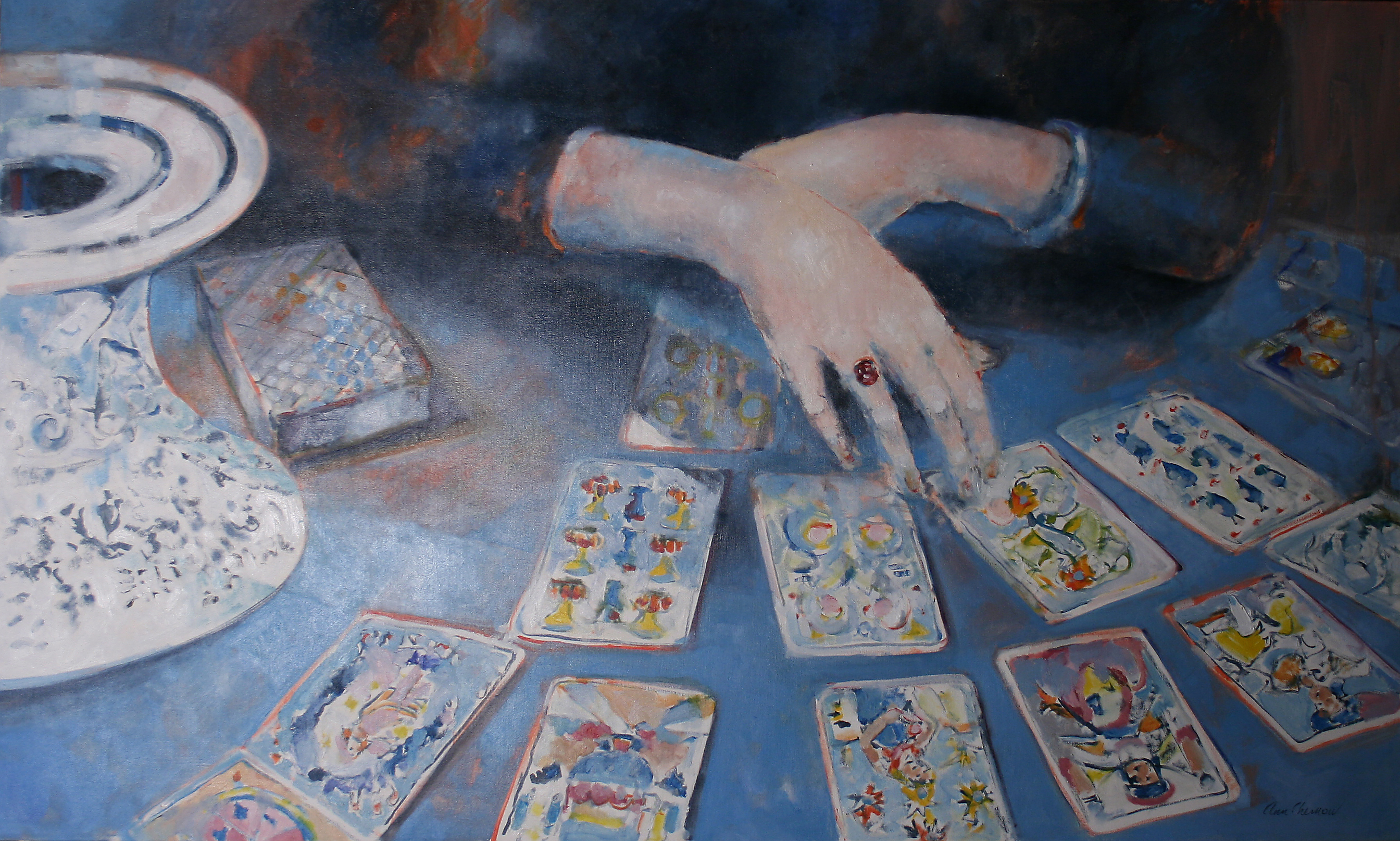
In her paintings, drawings, and prints, Ann Chernow’s work is informed by classic cinema, reinterpreting film characters and period settings to create intimate moments of suspended reality. Often referred to as the “Queen of Noir,” she uses 1930s and 1940s motion pictures as the foundation for her work. She has described the purpose of her work is to “preserve a genre’s cinematic moment, to transpose nostalgia, to juxtapose fantasy and reality.”
Born in New York, Chernow earned a Bachelor of Science degree and Master of Arts degree from New York University. She was a studio art instructor at the Museum of Modern Art, New York, and later an art history instructor and professor emeritus at the University of Connecticut, Mansfield. Collections of her work can be found at the Metropolitan Museum of Art, New York; the National University of Taiwan, Taipei; and the Coupozoulos Museum, Athens.
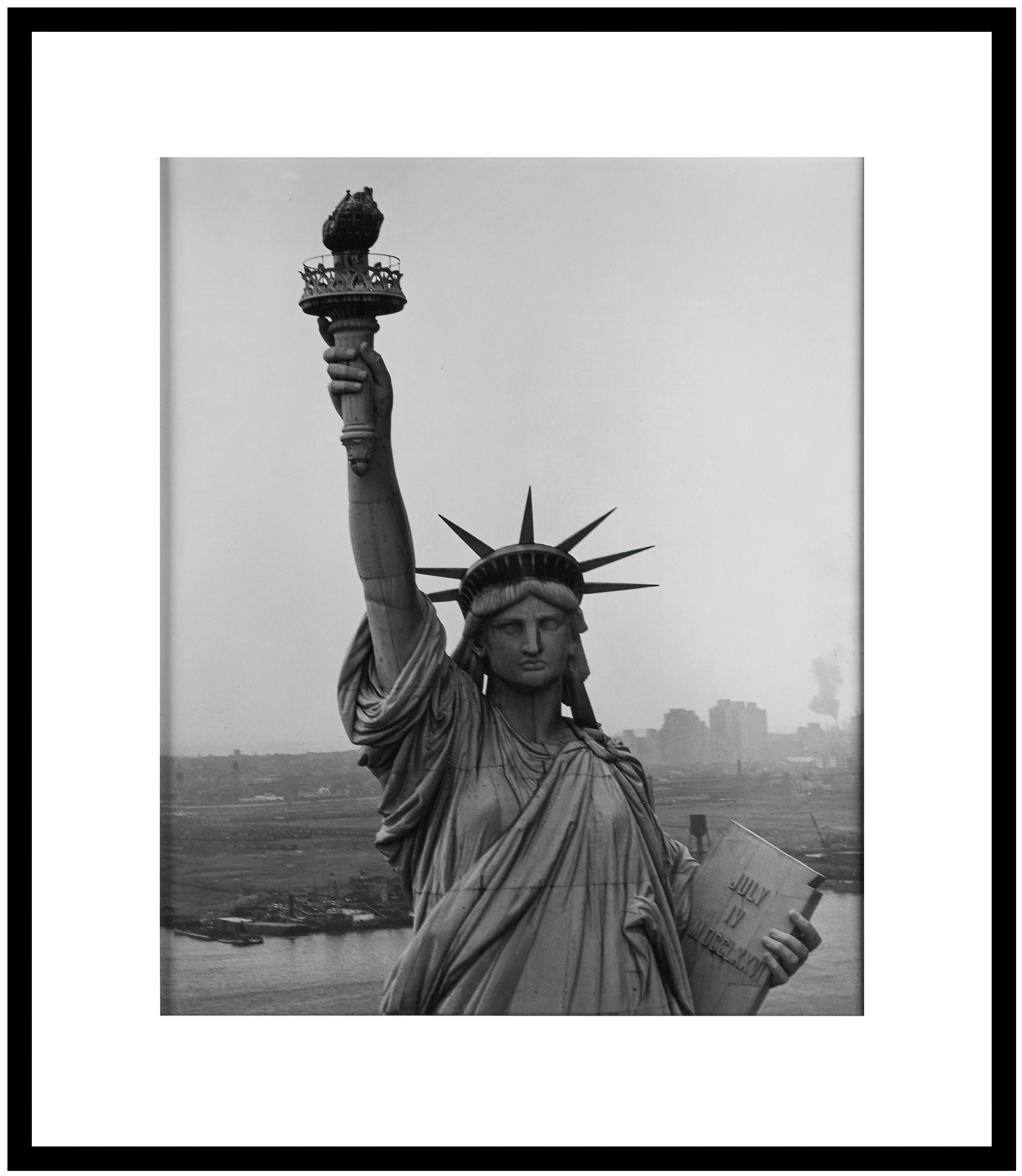
Photographer Peter Fink is best known for expressive black-and-white portraits of workers and street scenes captured during his travels in Japan, France, Portugal, northern Africa, and the Middle East, as well as for surreal still lifes and architectural studies, such as those in his Refractions series. Through travel and observation, he captured split-second, candid moments that reveal life’s subtleties. “I am lucky enough to have lived among beautiful things, people, and places in my life. I never needed to possess them nor could I afford to. But I wanted to translate what I beheld; thus the camera became my vision, my recorder, my mind’s eye,” Fink said.
From the 1950s onward, Fink traveled internationally on fashion assignments, capturing with his camera “all the worlds he discovered along the way.” His work is held in museums such as the Metropolitan Museum of Art, New York, and the Museum für Moderne Kunst, Frankfurt, Germany.
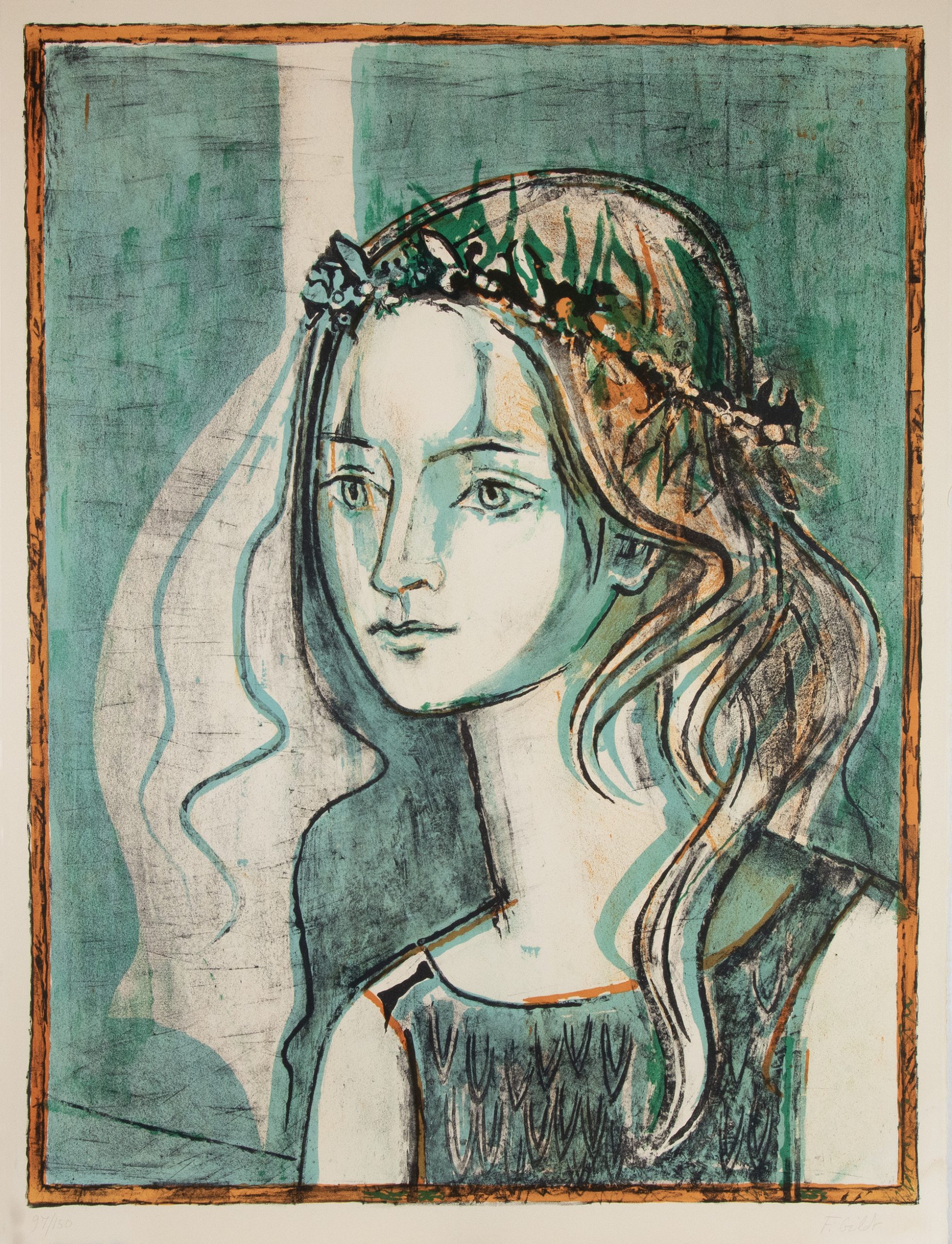
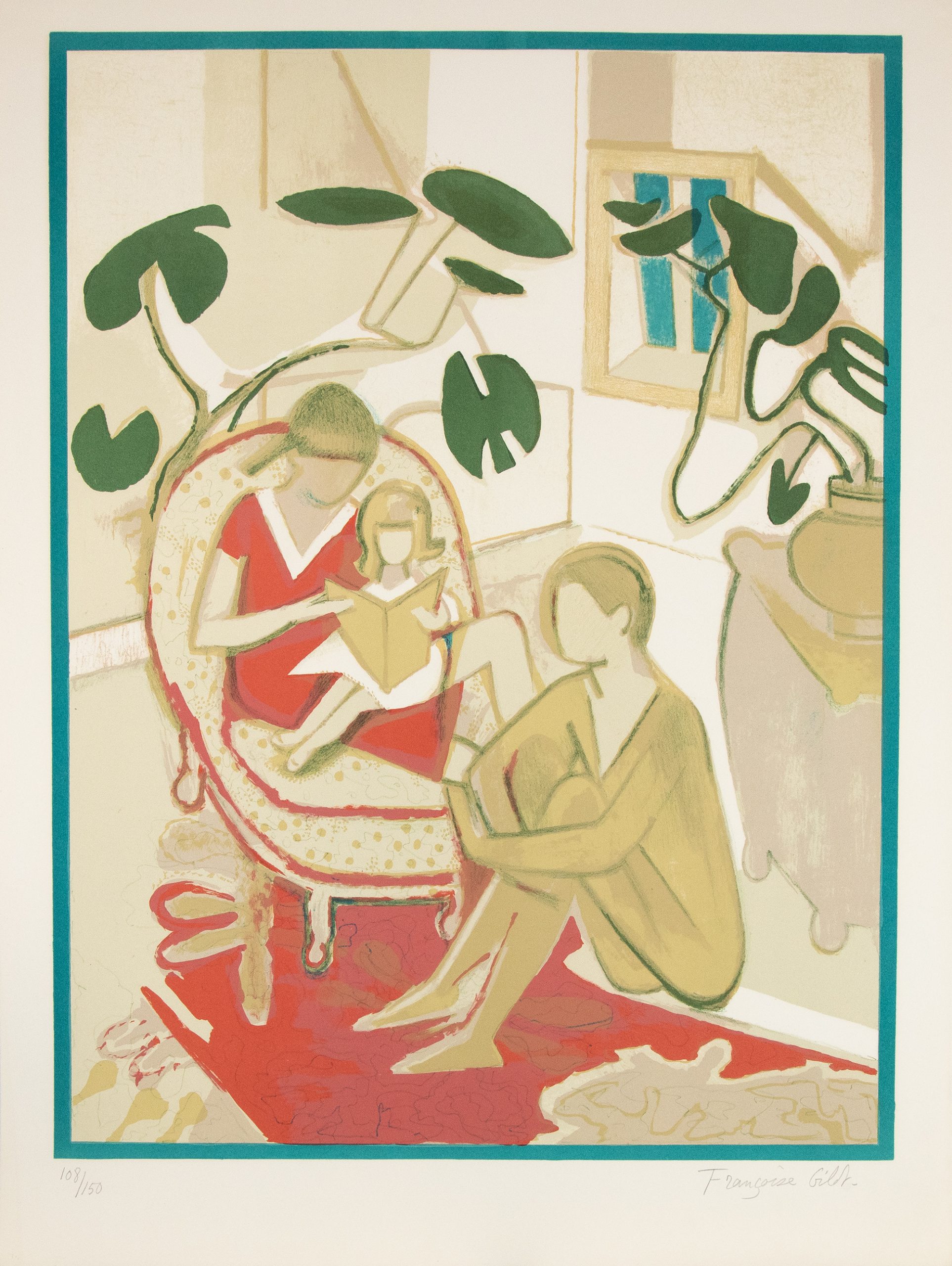
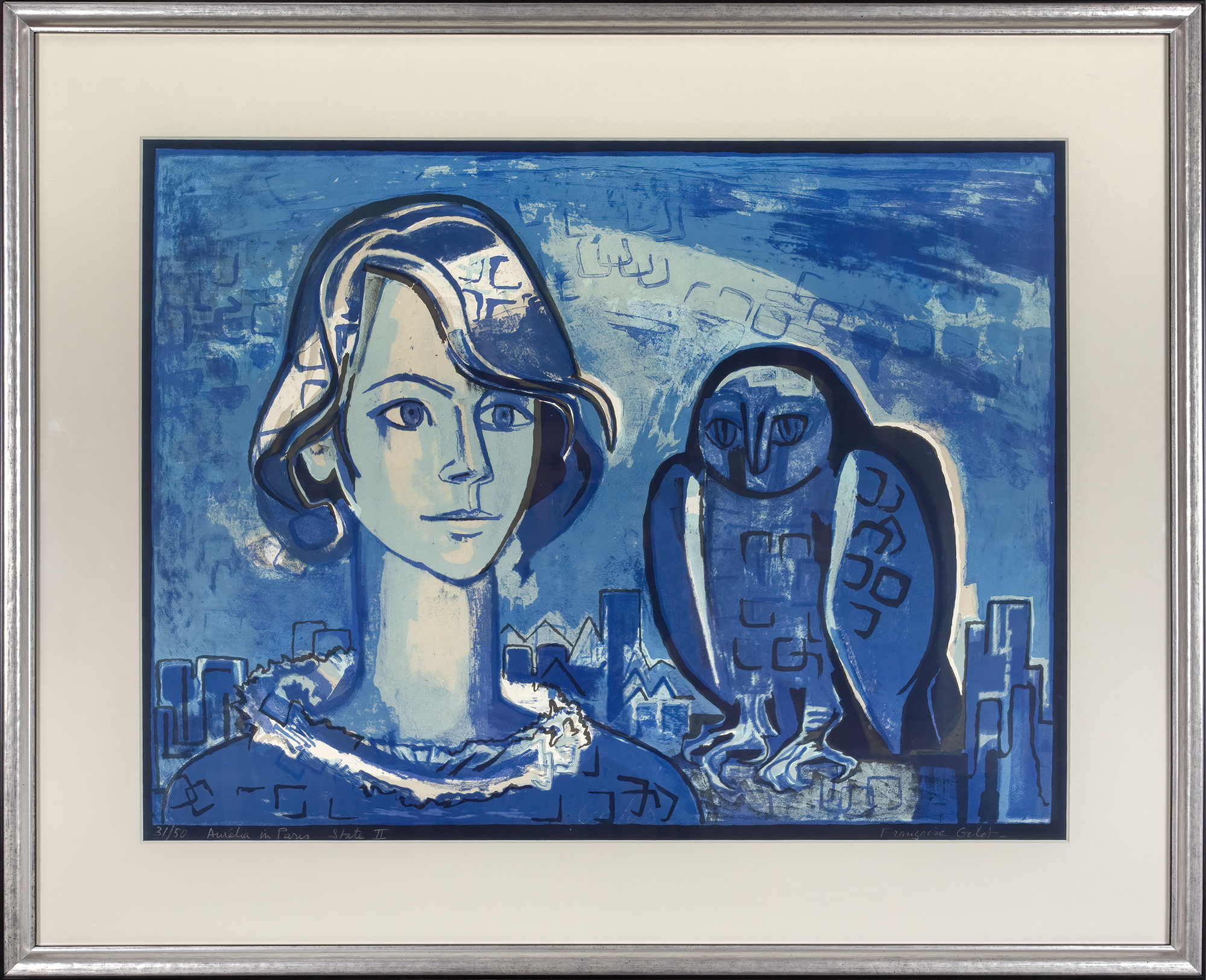
Françoise Gilot, often described as Pablo Picasso’s partner and, in some accounts, his muse, maintained a distinct artistic practice throughout her career. Despite their decade-long relationship, Gilot emphasized her artistic independence: “In art subjectivity is everything; I accepted what [he] did, but that did not mean I wanted to do the same.” Throughout her career, she worked between abstraction and figuration, developing a distinct language shaped by an enduring preoccupation with nature, time, space, and mythology. A self-defined “color painter,” Gilot used vibrant hues to evoke emotion in her work.
Gilot studied painting at the Académie Julian and the École des Beaux-Arts in Paris. In 2010, she was named Officier de la Légion d’Honneur, one of the highest honors awarded by the French government. Her work is held in several public collections, including the Museum of Modern Art, New York; the Musée d’Art Moderne de Paris; and the National Museum of Women in the Arts, Washington, D.C.
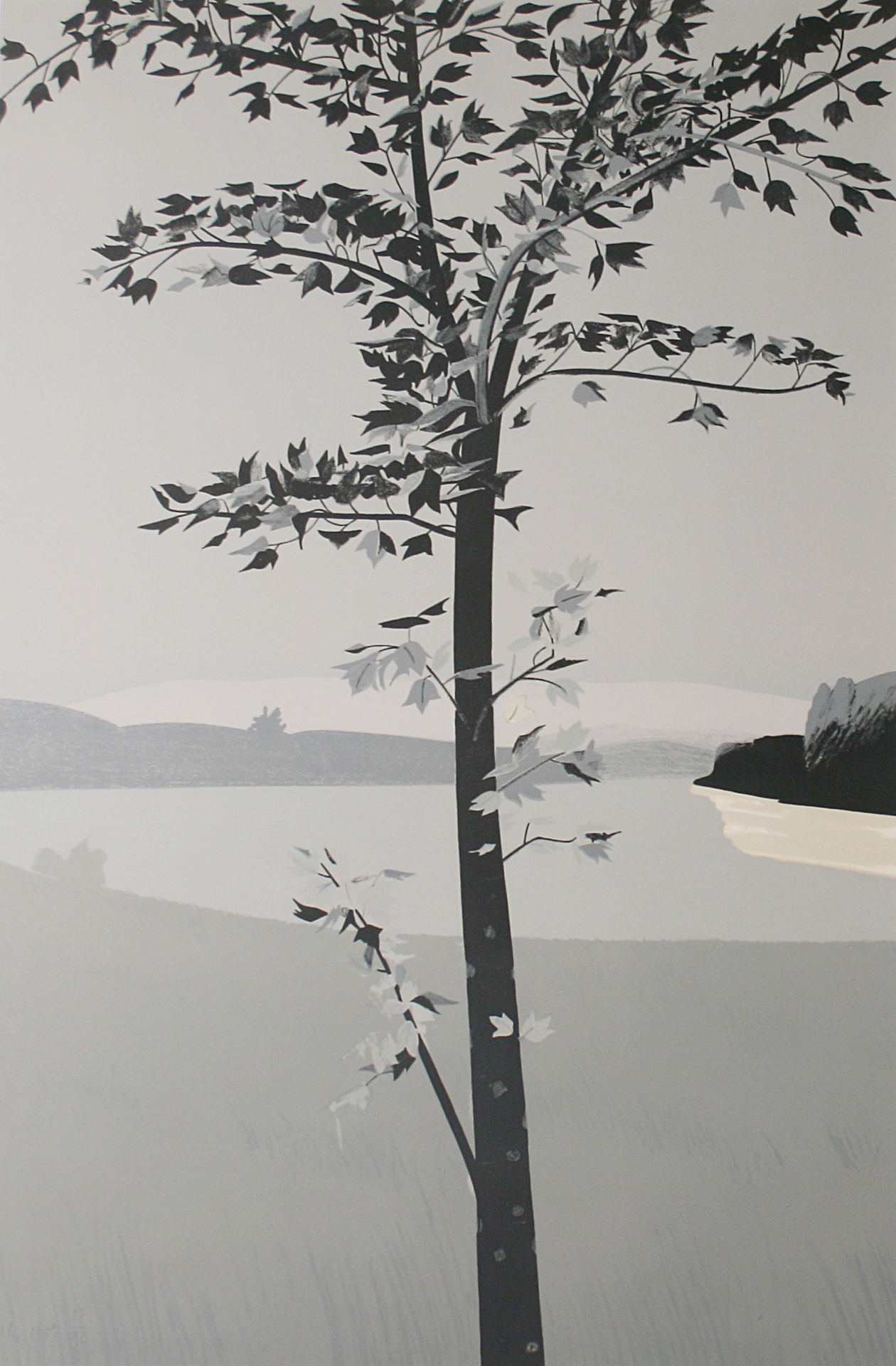
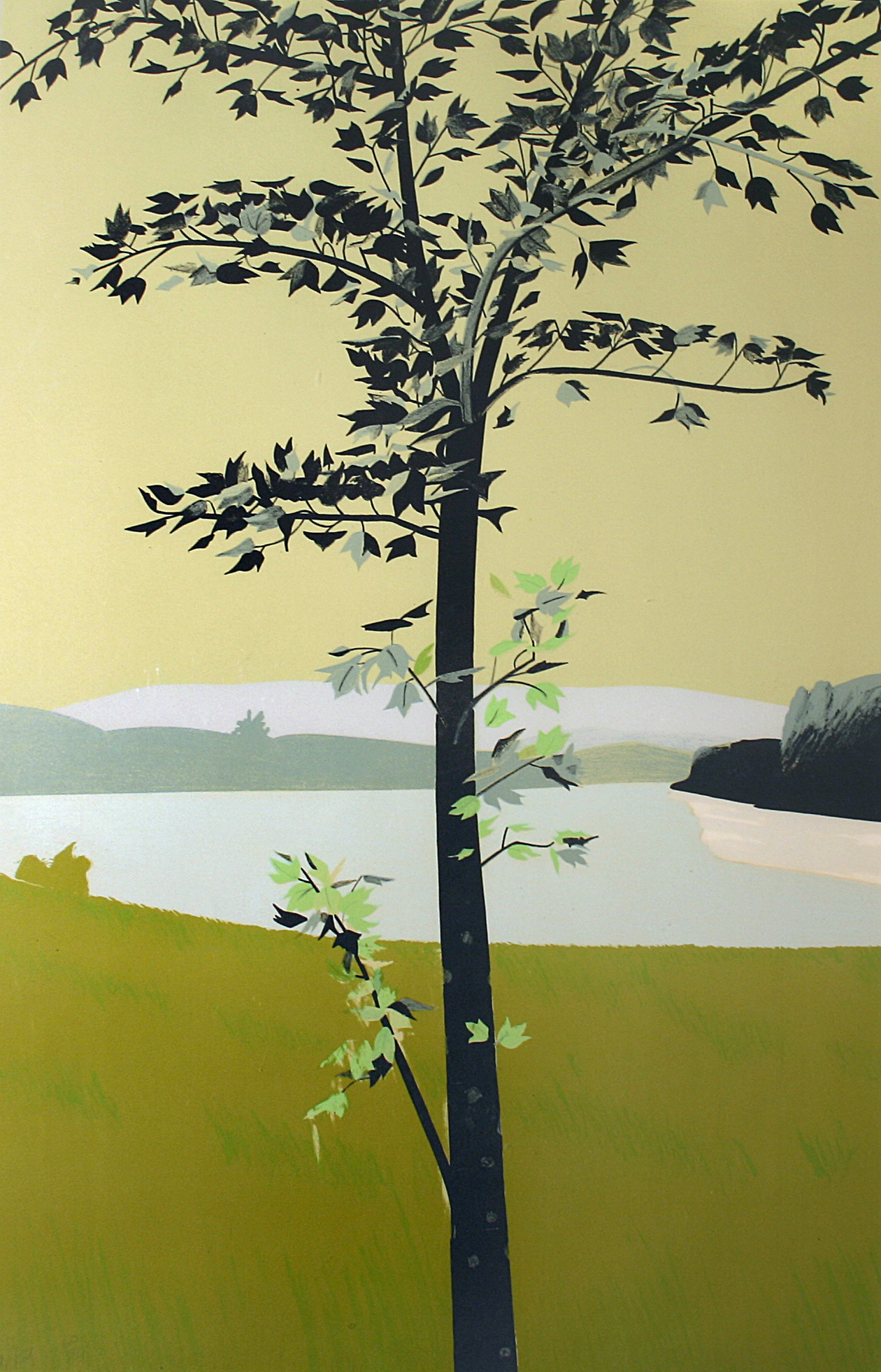
Alex Katz is renowned for his large-scale paintings and prints of landscapes, flowers, and portraits of people, most notably his wife Ada. Bold color, flat surfaces, and dramatic cropping are hallmarks of his practice. As a printmaker, he investigates three-dimensional space through sculptural cutouts—a technique he established in 1959. His work in the 1980s and 1990s centered around large “environmental” landscape paintings with loosened edges and painterly details intended to place the viewer within the scene. “I always try to paint in the present tense. If you paint stories, you’re painting in the past tense.”
A native of New York, Katz studied at the Cooper Union School of Art and the Skowhegan School of Painting and Sculpture in Maine. Since 2022, he has focused on chronicling seasonal changes and landscapes observed from his studios Maine and New York, while exhibiting his work around the world.
Virginia Greenleaf Koch’s practice often features farm animals, rural landscapes, and floral subjects. Her muted color palette produced a subdued, even light across the surface of her paintings, reflective of the grayed tones associated with historical portraiture. That connection carried into her use of symbolic attributes—flowers, fruit, or domestic objects—which added depth to her storytelling. The tonal qualities of Koch’s paintings evoke a sense of quiet restraint.
A native of Connecticut, Koch studied art at Yale University in New Haven as well as the Art Students League, New York, and American University, Washington, D.C. Her work has been exhibited throughout the American Northeast in institutions such as the Phillips Collection, Washington, D.C.
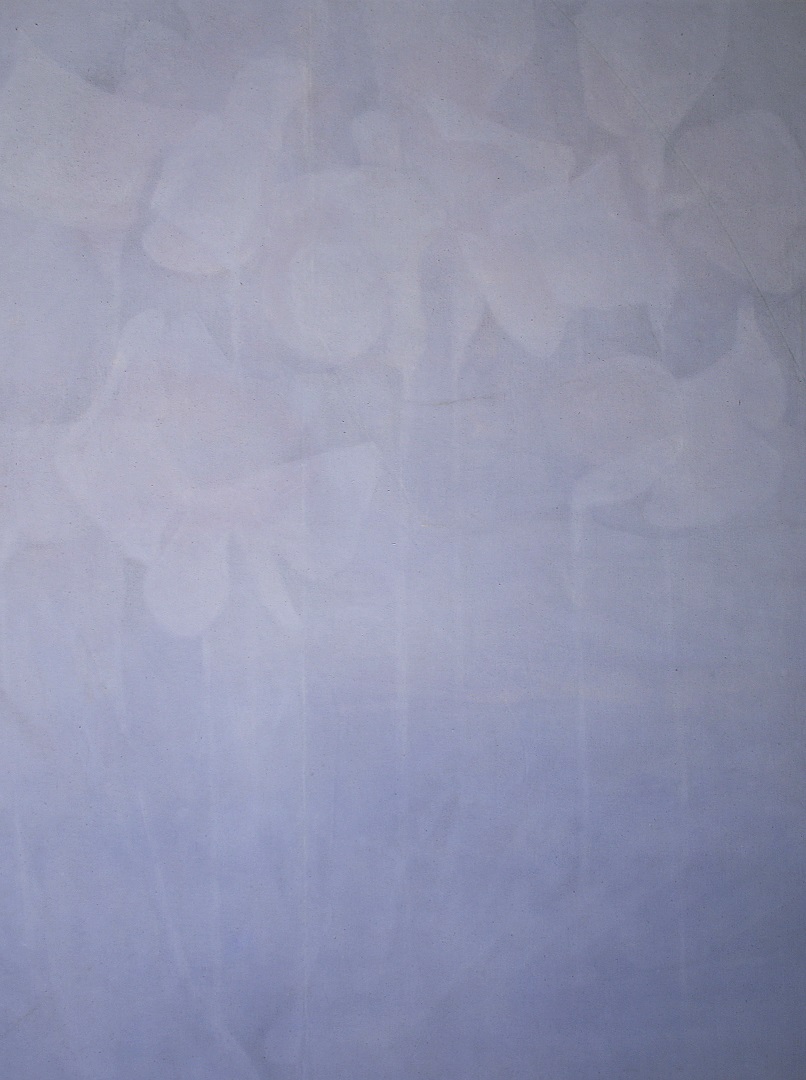
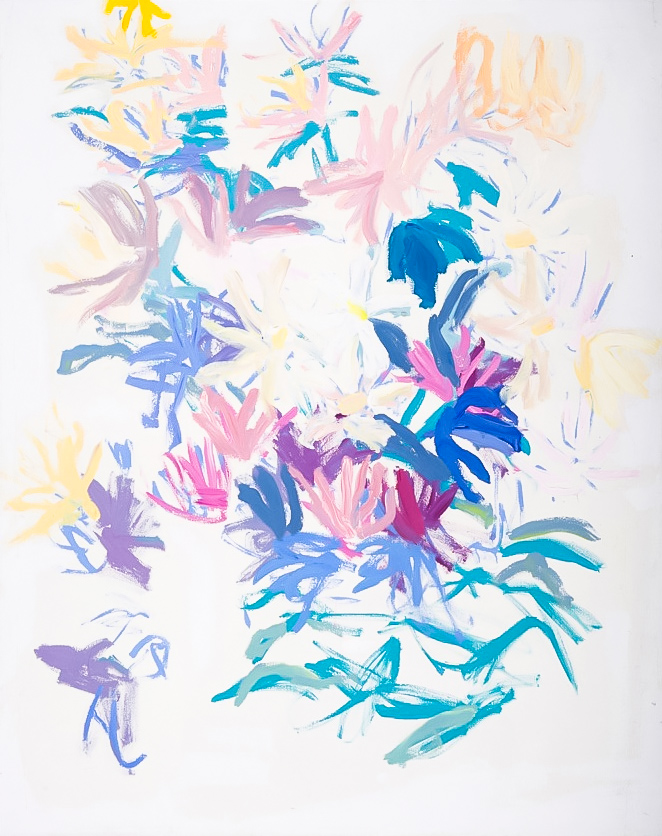
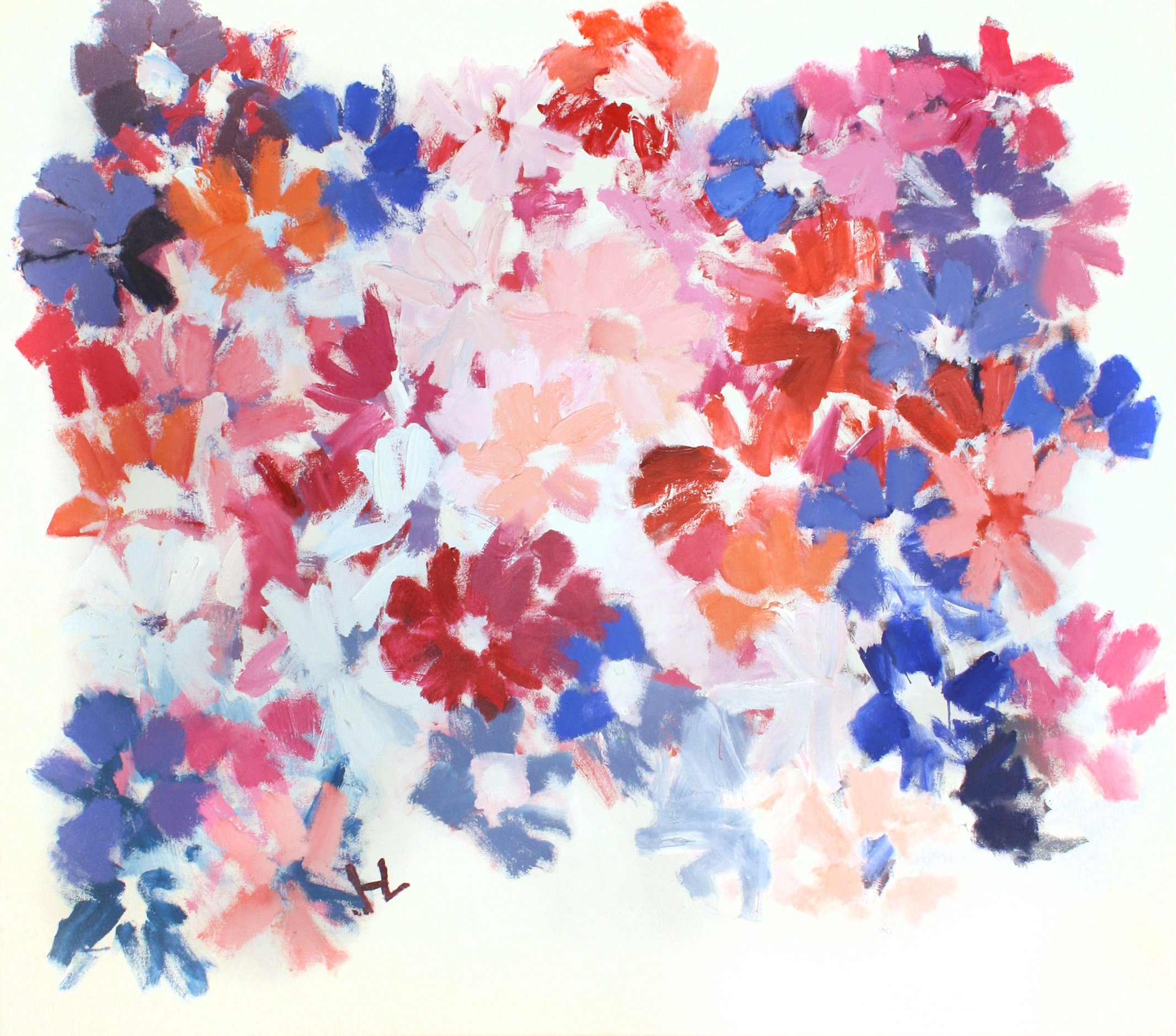
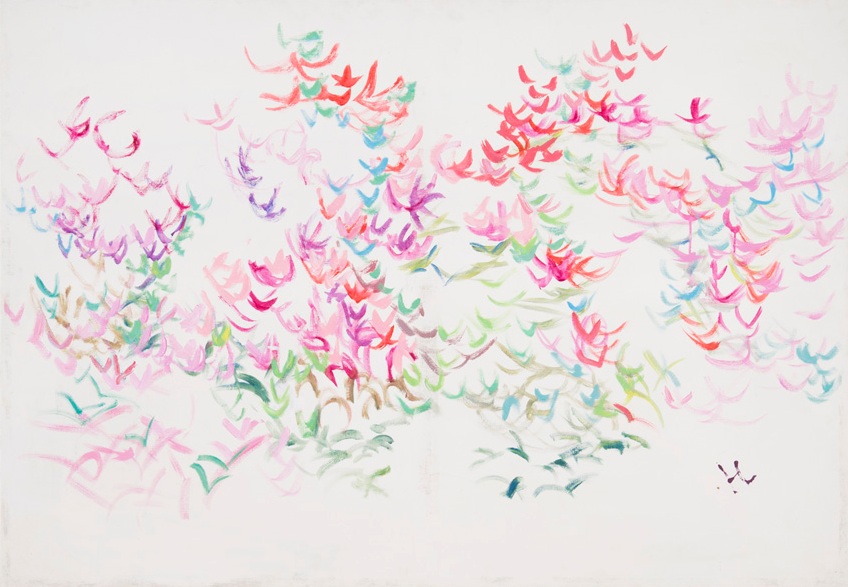
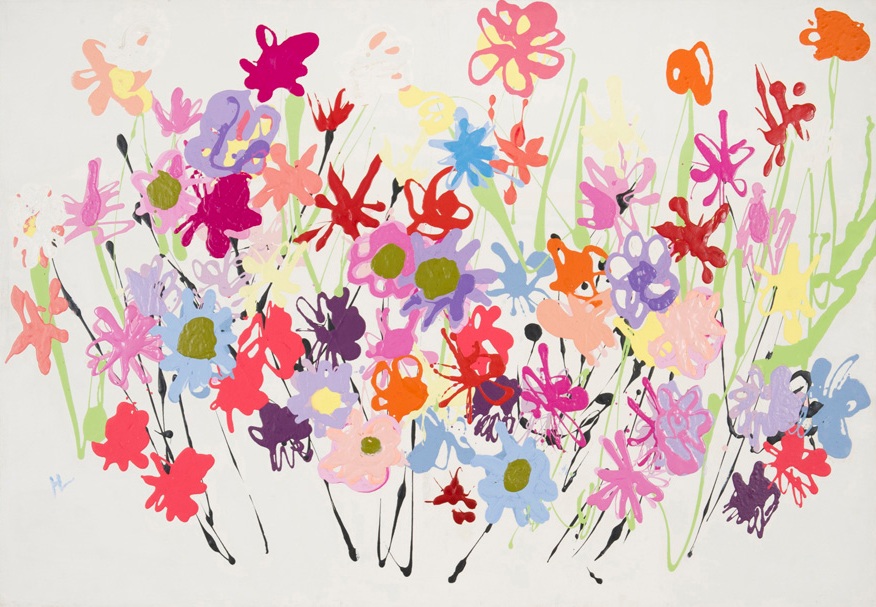
Helen Grigware Lambert’s early paintings were figurative and rendered in a dark palette, but by 1970, her style had become increasingly abstract, with lively colors and passages of white. Thin, delicate lines of dripped paint spread and interlace across the canvas, defining the flowers that had become her primary subject and are referenced in her titles.
In addition to her artistic practice, Lambert was a lawyer and the first woman to graduate from Gonzaga University School of Law in Spokane, Washington, in 1937. Lambert traveled extensively during her law career, including to Japan, the former Soviet Union, and Israel; these experiences left an indelible impression on her artistic vision.
Christina Lappa is a Greek diaspora artist whose practice explores the duality of Greek identity across cultures. Her large-scale paintings foreground the female figure through bold forms, bright light, and dynamic movement. Woman Laskarina Bouboulina, Commander Laskarina Bouboulina, and Admiral Laskarina Bouboulina are part of Lappa’s Echoes of 1821 series, which honors figures of the Greek War of Independence. Also known as the Greek Revolution against the Ottoman Empire, the war lasted from 1821 to 1832. Bouboulina, a significant figure in Greek history, was one of the first women to attain the rank of admiral in the Greek Navy during the revolution. Lappa’s paintings pay tribute to Bouboulina, emphasizing her role as a leader and place in history.
Trained in interior design and applied arts in Spain, Lappa maintains a parallel practice as an interior designer. Her work can be seen in the Greek Embassy in Washington, D.C., and the Greek Consulate in New York.
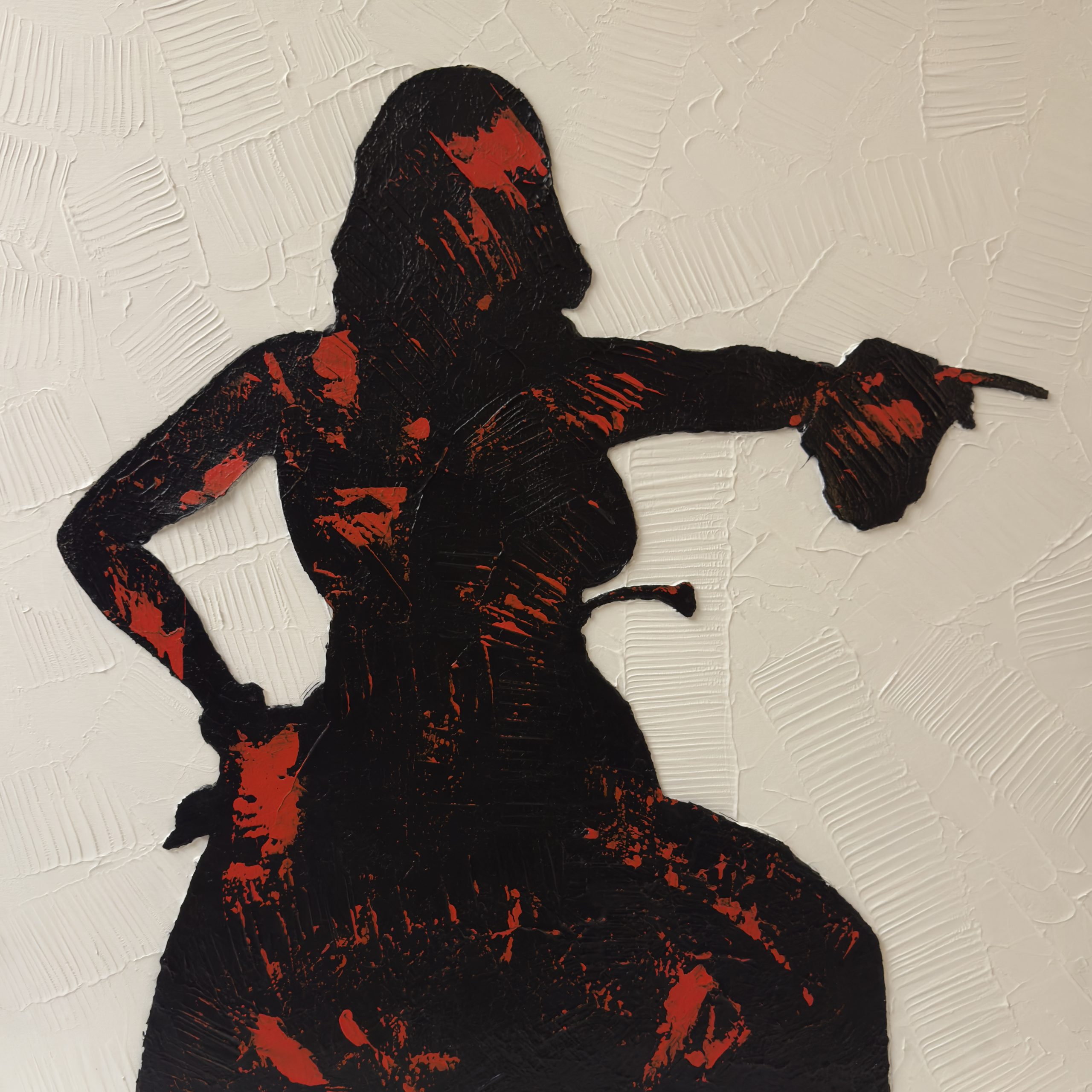
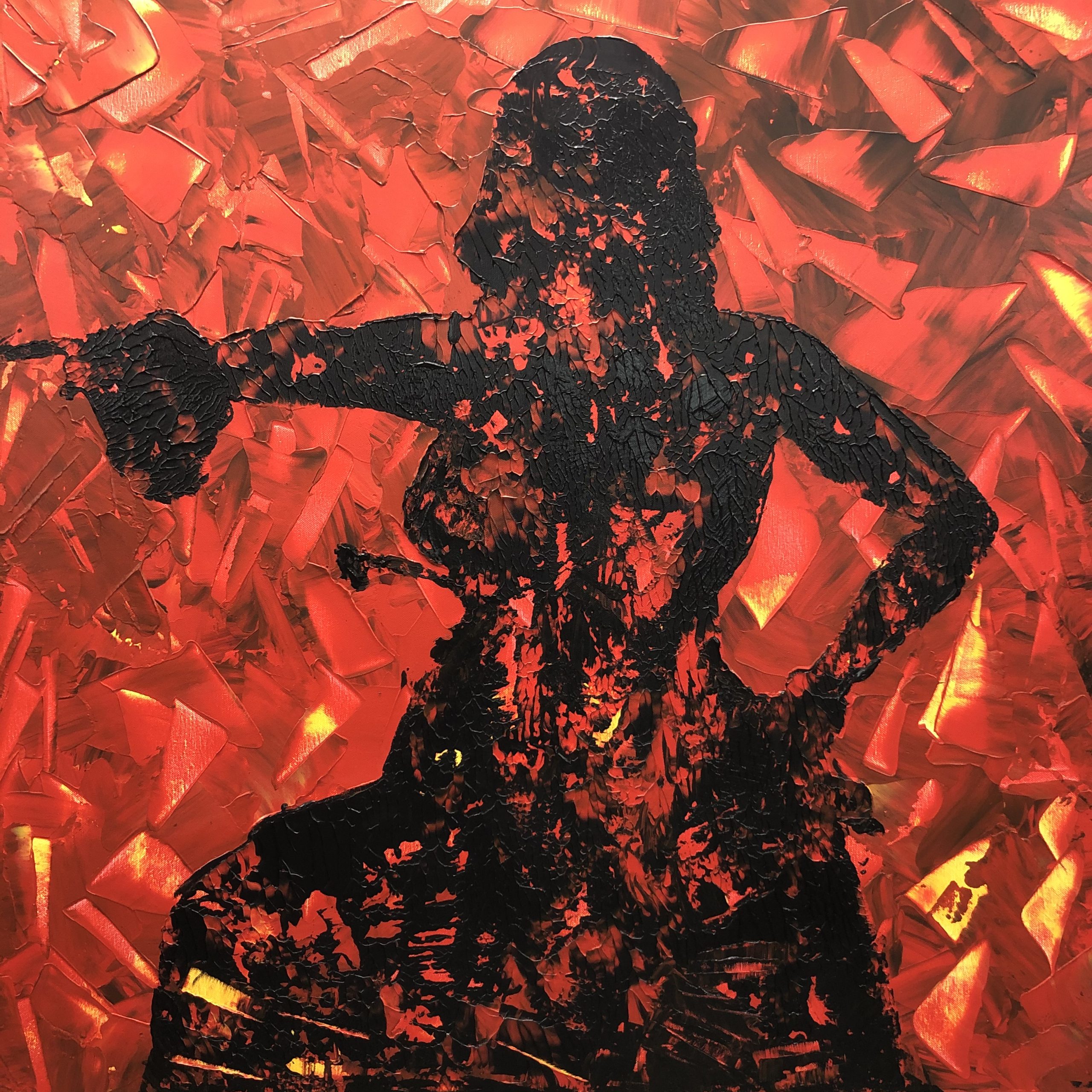
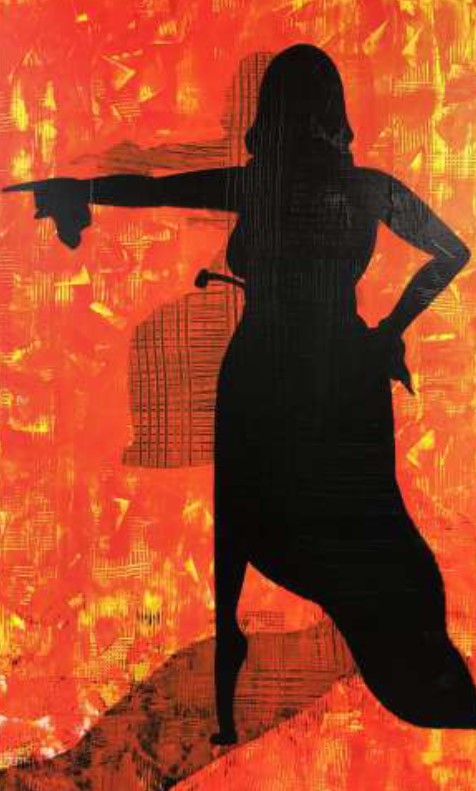
Judith Scott Larsen’s work presents the figure as an empty vessel, which she then infuses with a series of images from the history of art and science. These projected transparencies reference deep-time cultural markers, including language, mapping systems, and pattern-making spanning more than 20,000 years. The resulting, symbolically clad figures reflect both the vitality of the body and its inherent impermanence.
Larsen earned a Bachelor of Fine Arts degree in education from Tufts University, Boston, and a Master of Fine Arts degree in painting from the Boston Museum School, Massachusetts. She has exhibited widely in the Boston area, as well as nationally and internationally, and her work is held in numerous collections, including the deCordova Sculpture Park and Museum, the Museum of Fine Arts Boston, and the Graham Gund and Stephen D. Paine Collection.
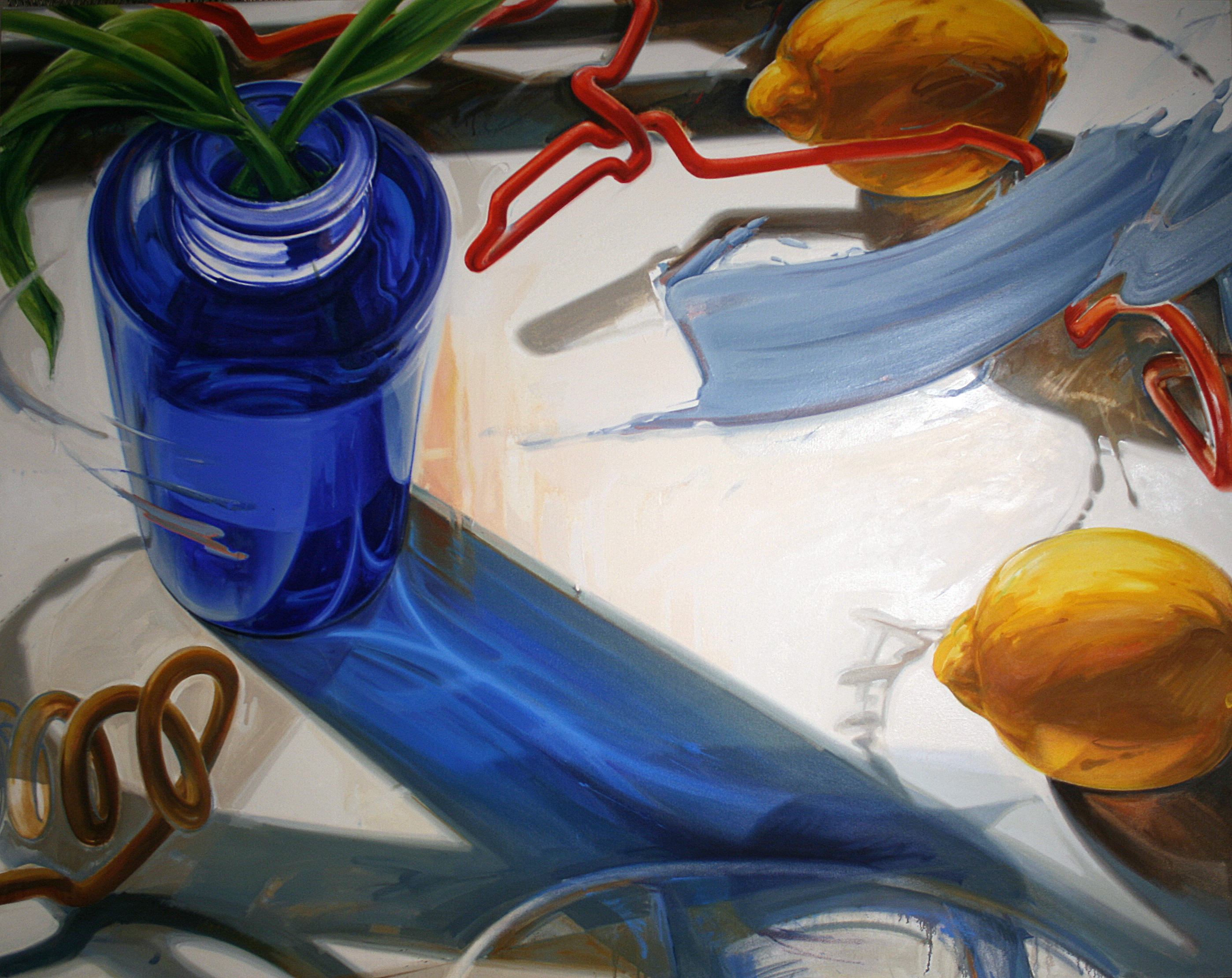
Peter M. Loftus paints landscapes shaped by mountain ranges, rivers, and valleys, moving between Northern California and the tropics of Hawaii. “It is the light that invigorates and compels me to paint… Faithfully representing the light is at the heart of my paintings. I love the paradox of making an illusion of light, space, and atmosphere out of paint on a flat canvas surface. To make an illusion that looks almost photographic from a distance but dissolves into mysterious paint surfaces upon close inspection is what I delight in.”
Born in Washington, D.C., Loftus earned a Bachelor of Fine Arts degree from the Maryland Institute College of Art, Baltimore, and a Master of Fine Arts degree from the University of Pennsylvania, Philadelphia. He later moved to Santa Cruz, where he painted and taught at the University of California, Santa Cruz, and Cabrillo College, Aptos. His work has been exhibited widely on the East and West coasts and is held in numerous public and private collections.
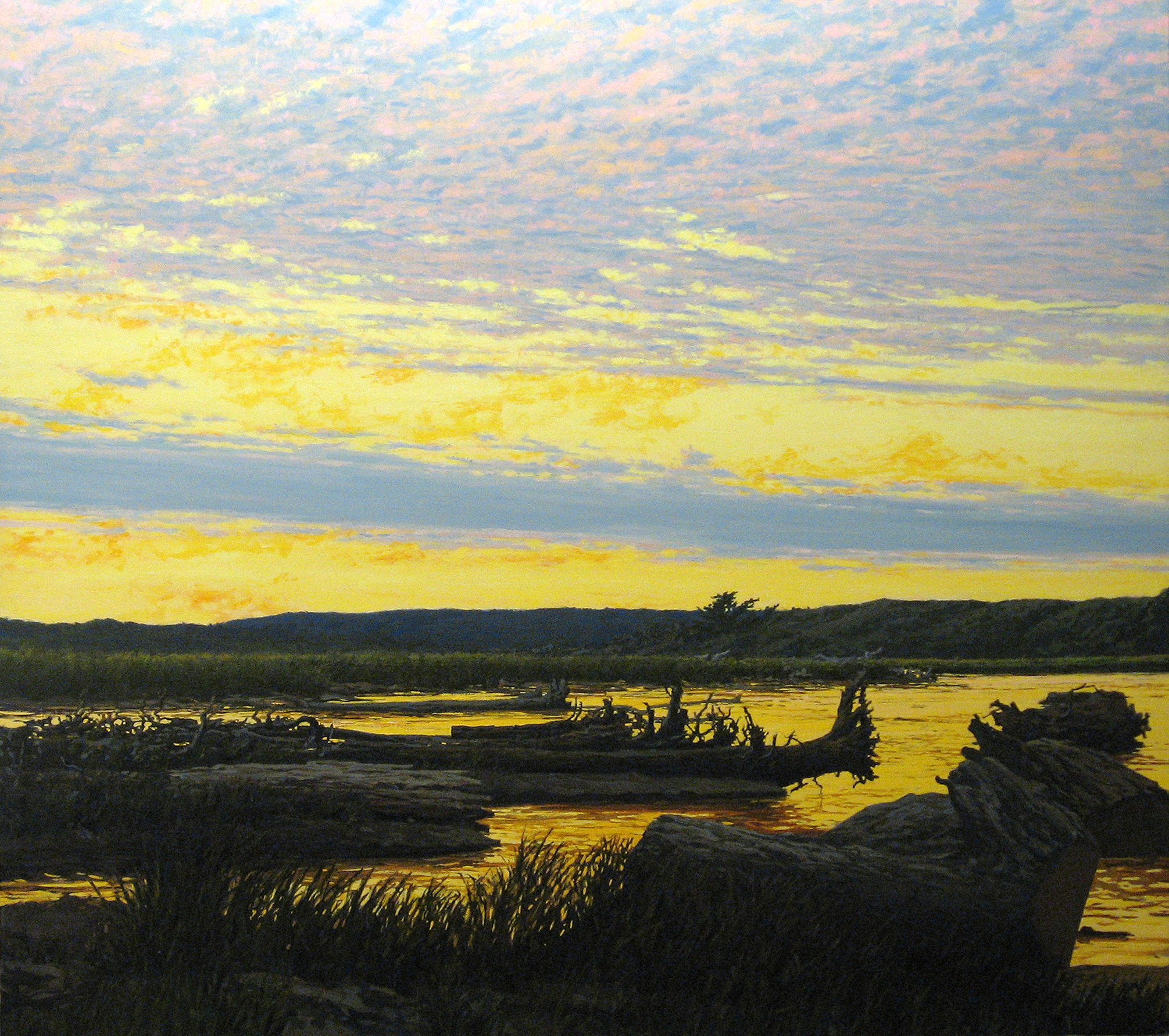
Robert Andrew Parker was a painter, printmaker, and illustrator whose expressionistic work merges abstraction and realism. Often using whatever tools he had in hand, he depicted animals, human portraits, imaginary battle scenes, and natural landscapes in a loose, fluid style. Throughout his practice, Parker combined areas of pure color with design organized through silhouette and shape, achieving “maximum effects with minimal amounts of detail.”
As a child, Parker contracted tuberculosis and spent his recovery period sketching, drawing, and painting. After graduating from the Art Institute of Chicago, he became an art instructor at the New York School for the Deaf and simultaneously developed his printmaking skills at Atelier 17. His work appeared in magazines such as Esquire, Sports Illustrated, and Time.
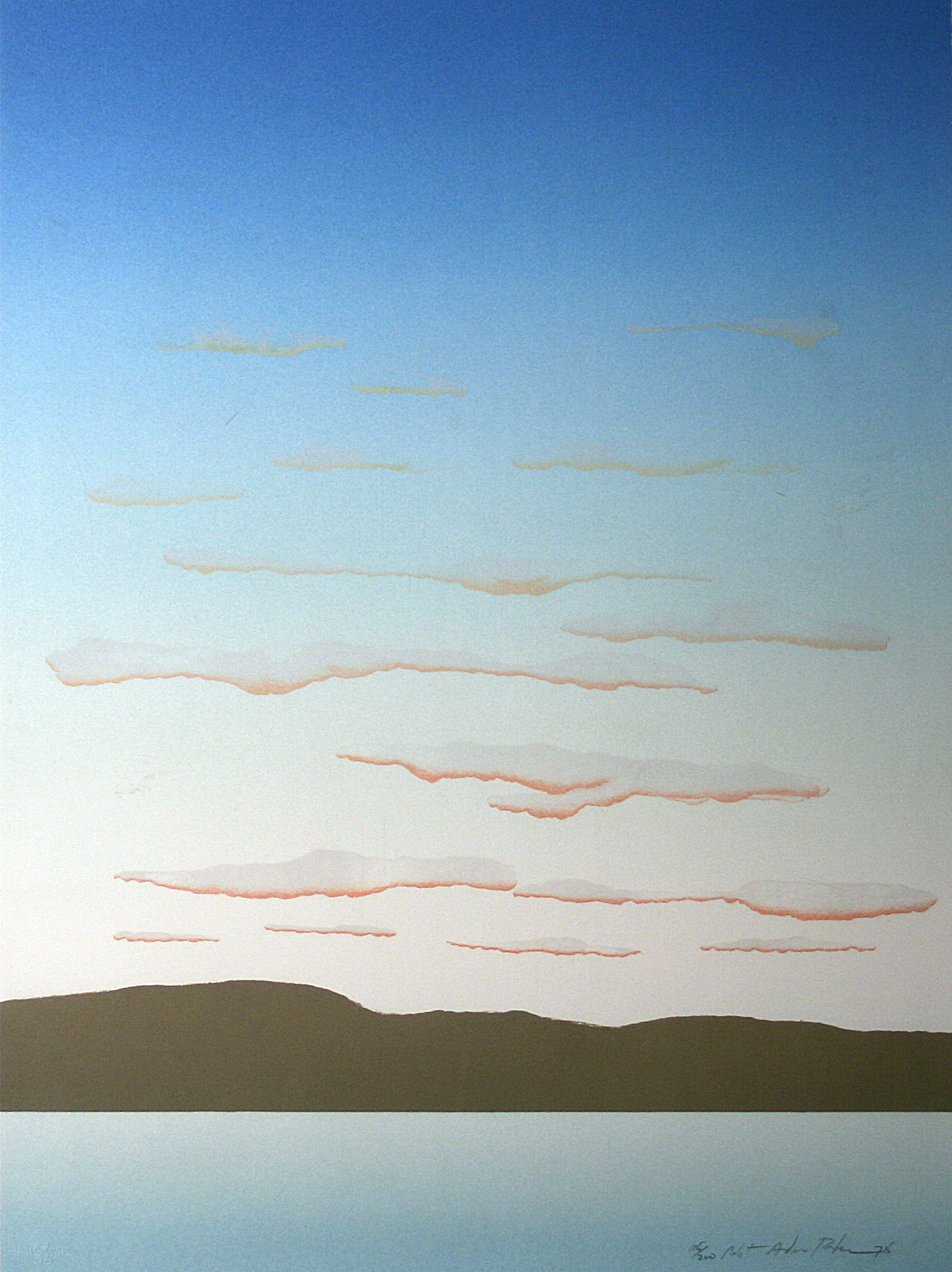
Over the course of his career, Larry Poons’s practice has centered on pigment, surface, and perceptual effect. After visiting an exhibition by color theorist and abstract expressionist Barnett Newman in New York, Poons left his music studies at the New England Conservatory of Music in Boston to pursue painting. His initial work in the 1960s featured optical arrangements of floating dots and ellipses set against monochromatic backgrounds. Poons later shifted toward what he described as “tactile pigment,” returning the focus to the material properties of paint itself. As he succinctly put it, “A failed painting is better than one that’s just plain bad. The failed painting is one that could have been great.”
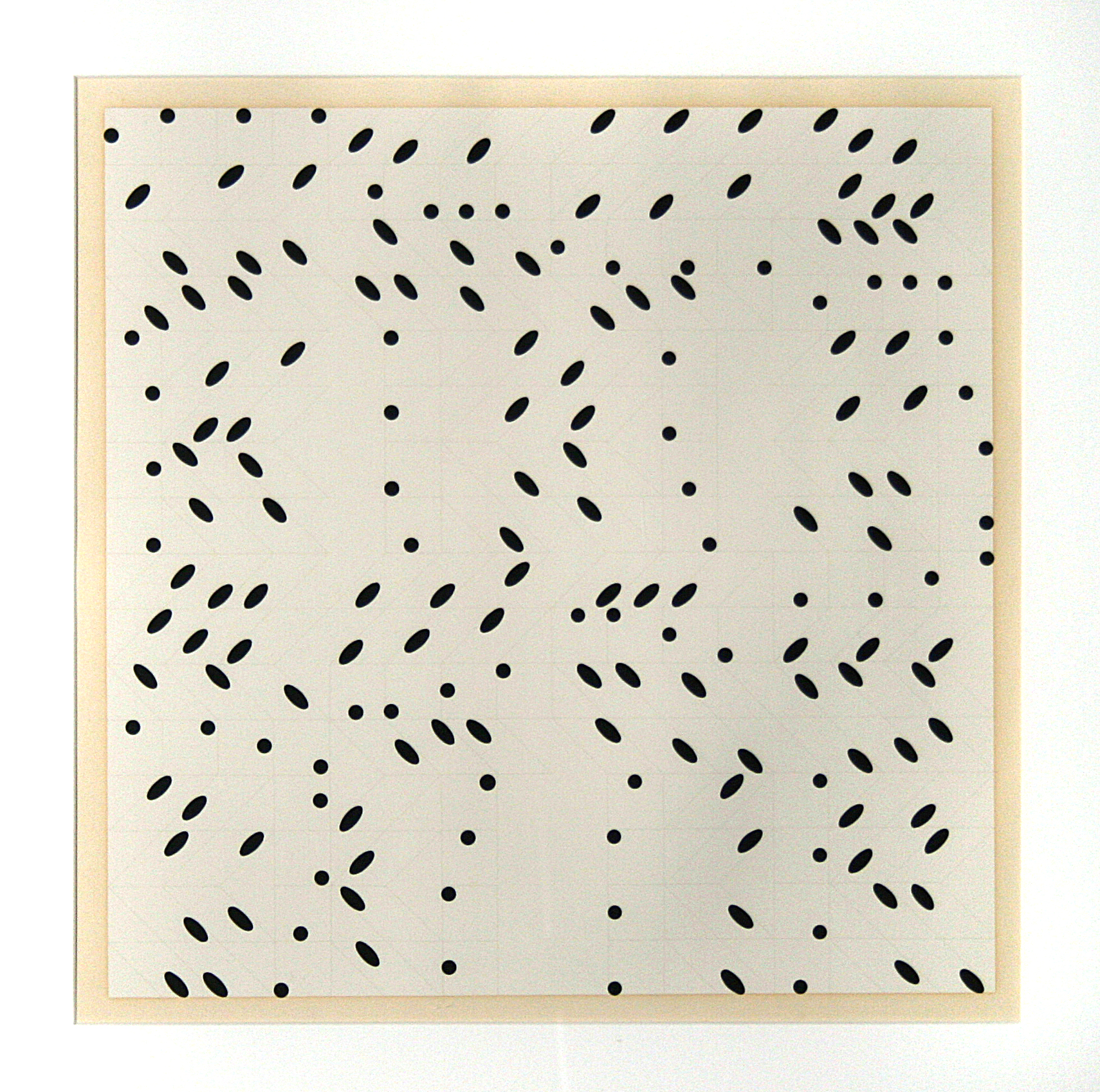
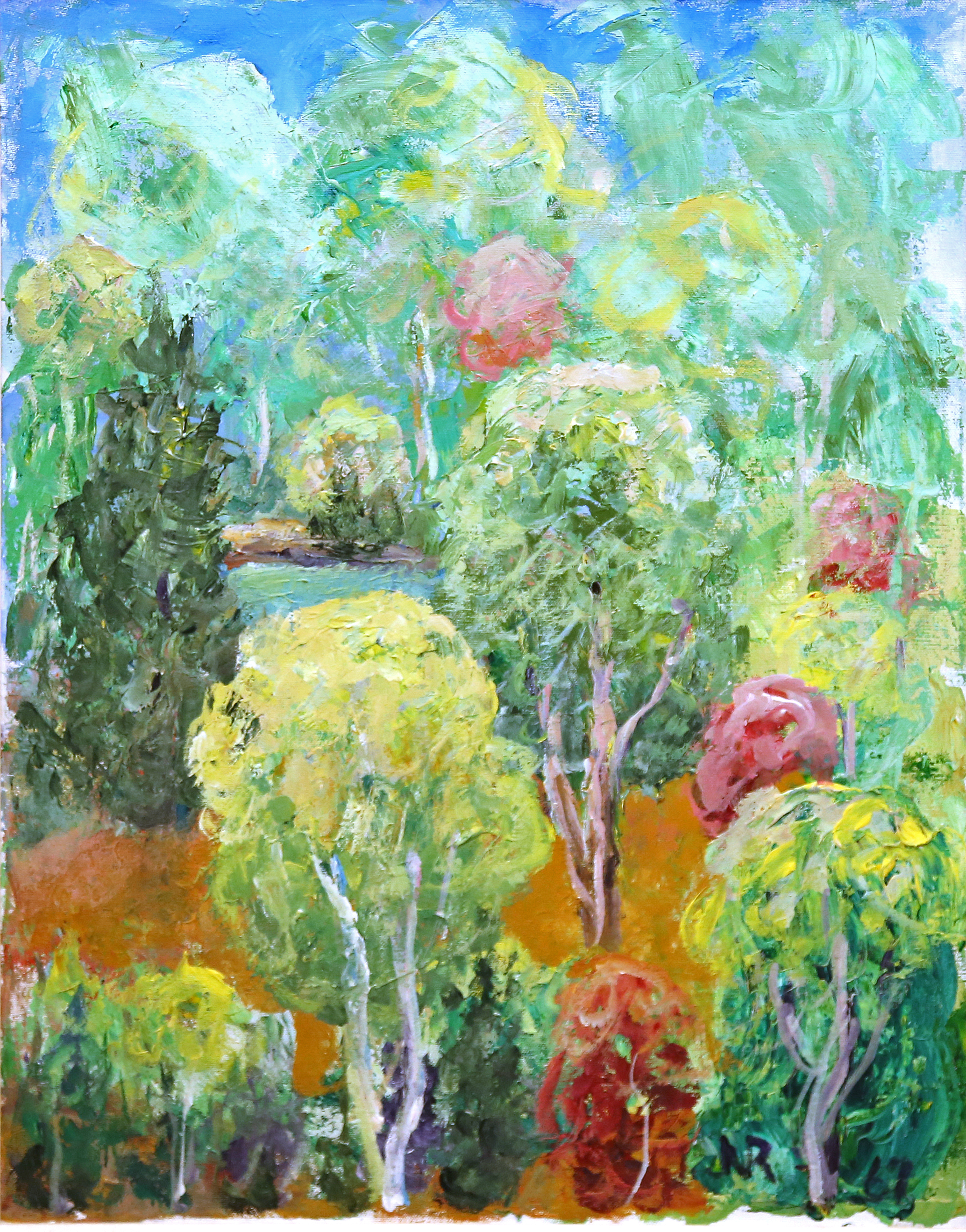
James Naumburg Rosenberg’s oil and pastel works featured expressive brushstrokes, vivid lighting effects, and a saturated color palette. In addition to his work as an artist, he was a lawyer, humanitarian, and author. At the age of sixty-two, Rosenberg retired from his successful law practice to devote himself to art. Although he pursued his artistic practice later in life, he had long admired and collected art, including works by Henri Matisse and Amadeo Modigliani. Among the artist, Rosenberg most admired was Paul Cézanne, whose loose brushwork and vibrant color palette resonate throughout his work. “My landscapes have been and are magic carpets on which I have flown from a world embittered by fear, hate, and greed to regions of peace, joy and beauty,” he said.
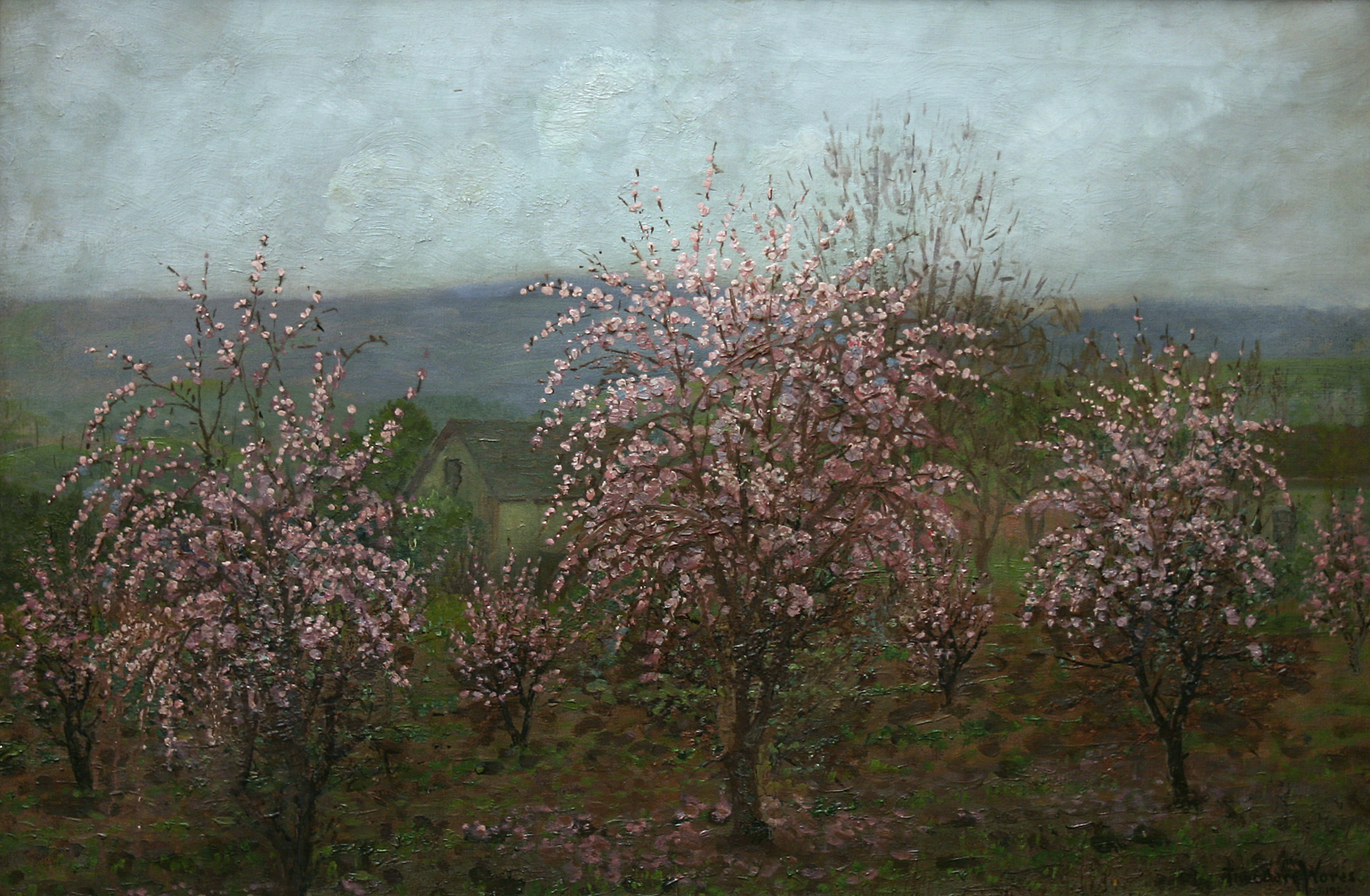
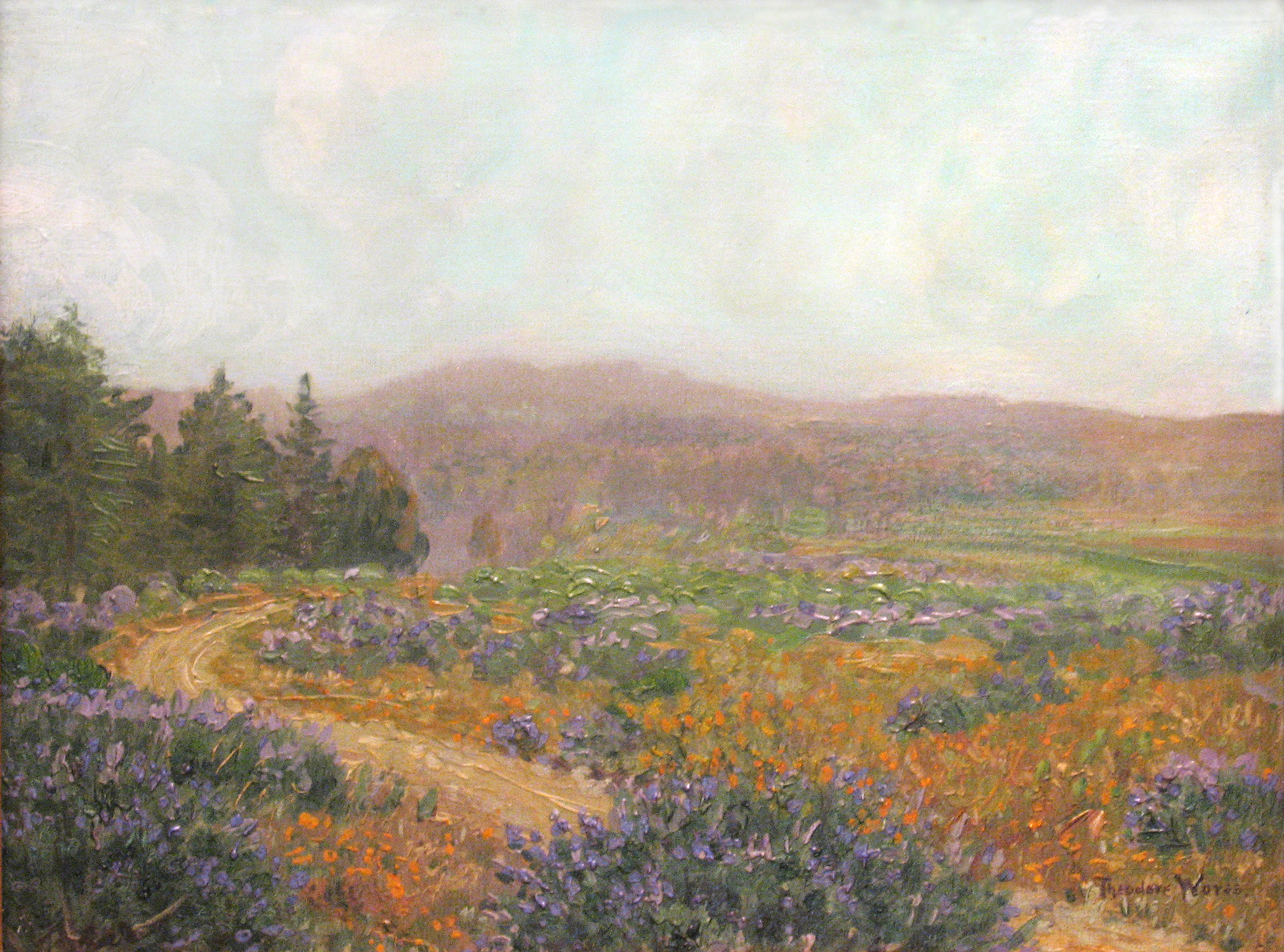
Theodore Wores garnered fame for his paintings of locations in Asia, the Pacific, and the American Southwest. Over time, his style shifted from the dark palette of the time to the brilliant, variegated colors. Inspired by American painter Frank Duveneck’s approach to plein air painting, Wores used color to represent sunlight and shadow, embracing the belief that the “genuine foundation for a painting was the brushwork, and not the charcoal or pencil drawing of a draughtsman.”
A native of San Francisco, Wores was among the first students to enroll at the San Francisco School of Design and later studied at the Royal Academy in Munich. Traveling extensively, he painted and sketched in Japan, Hawaii, Samoa, and Canada. A member of the Salmagundi Club and the Art Society of Japan, Wores exhibited his work at the Royal Academy of London and the 1893 World’s Columbian Exposition in Chicago.